Rome In Three Days: A First Timer’s Guide
Action-Packed 3-Day Rome Itinerary With Map
Planning to visit Rome in 3 days? You’re in for a super adventure! As someone who explored every corner of the Eternal City during a busy 3-day trip, I can tell you it’s absolutely possible to experience the best of Rome in this timeframe – if you know how to plan it right.
After years of travelling, often in Europe, I can confidently say there’s something magical about Rome that sets it apart. From the moment you step onto its ancient cobblestone streets, you’re moving through centuries of history while also being immersed in a historic yet modern city.
In this guide, I’ll share my tried-and-tested 3-day Rome itinerary that combines iconic landmarks and authentic local experiences.
Let me guide you through the essential attractions based on my personal experience.
I promise to show you all the best Rome has to offer, the costs and the best times to visit each place.
Disclosure: Some of the links on this page are affiliate links, which means that if you make a booking through them, I may earn a commission at no additional cost to you. See my Privacy Policy
Rome In Three Days Map
Day 1
Morning – Colosseum
What a place to start a 3-day trip to Rome – at the Colosseum.
When I visited the Colosseum, it was a momentous experience. Walking through the entrance, I could almost hear the roar of the ancient crowd and the clash of gladiators’ armor.

I suggest you arrive early to beat the crowds.
The Colosseum is open from 8:30 AM to 4:30 PM.
You can arrange private or group tours if you want a full history lesson. Even though we didn’t get a tour guide during our visit, it was still fascinating.
If you book your ticket online, arrive at the ticket counter at least 30 minutes before your scheduled visit time.

I wish I had known about Rick Steves’s excellent audio guide before my visit—it’s completely free to download. Learn from my mistake and get it beforehand!
When I visited in November, there weren’t many people around. If you go during the summer months, be prepared for a much more cramped experience.
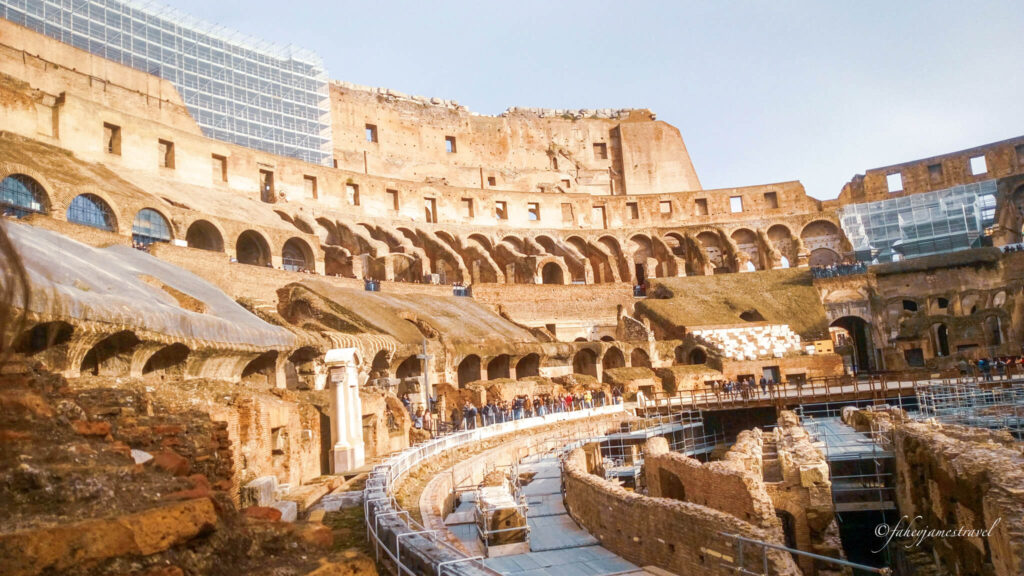
Between June and July, you can expect over two million people to visit the Colosseum. Here is a more detailed guide on how to visit the Colosseum.
But I am glad I went in November!
Entry Fee: Starting from €16.00 Per Person (excluding guided tour).
Afternoon – Roman Forum
After covering the Colosseum, you can make the short walk across to the Roman Forum.
When we visited, we bought our tickets for the Colosseum and the Roman Forum together at the ticket stall between both sites.
Although it worked out fine, next time, I will purchase my tickets online since I prefer having both digital and physical copies.
You can purchase your tickets below.
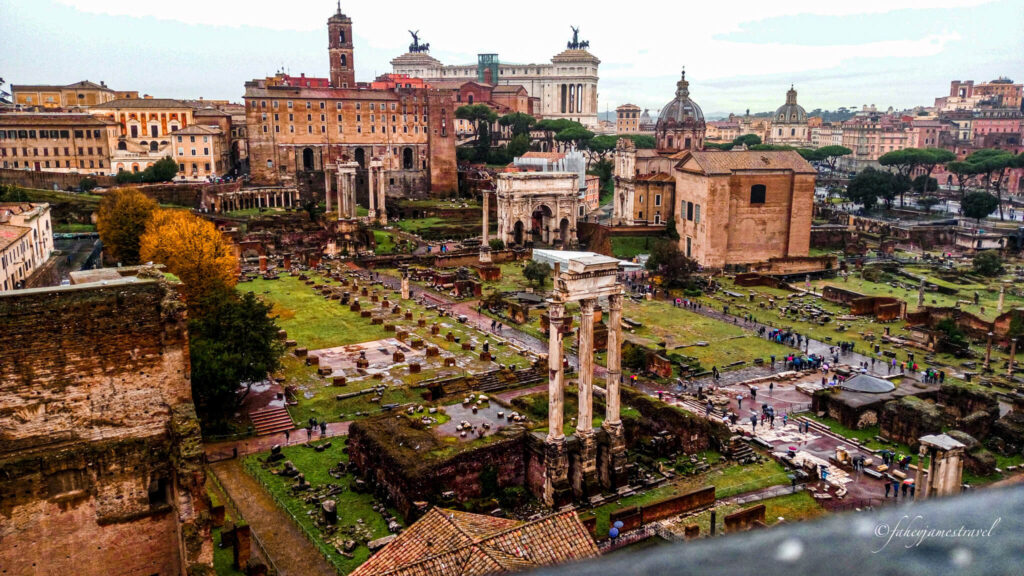
After Caesar died and the civil war ended, his nephew Augustus stepped in to complete his uncle’s vision for the Forum, shaping it into what we can see today.

Exploring this site felt like stepping onto an ancient movie set. You can wander past the House of the Vestals, Temple of Vesta, and Temple of Saturn, along with countless other fascinating structures.
Be sure to bring a camera and take some photos of Europe’s most important places for your memory bank.
Entry Fee: €18.00 Per Person (discounts for children)
Evening – Monument to Victor Emmanuel II & Piazza del Campidoglio
I must admit the Monument to Victor Emmanuel II was the place that impressed me the most.
You cannot realise how big it is until you’re standing beneath its shadow. The biggest in Rome!
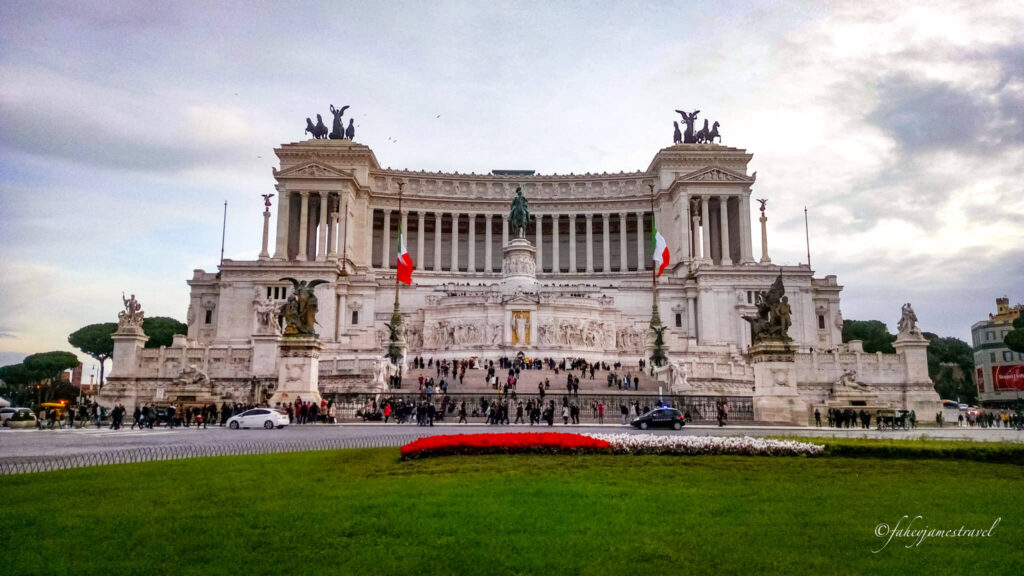
Luckily, we were able to make our way up the elevator to the top of the monument, which allowed for some great views down onto the city.
This stunning monument, known as the Vittoriano or Altar of the Fatherland, is a massive white marble structure that dominates the Roman skyline.
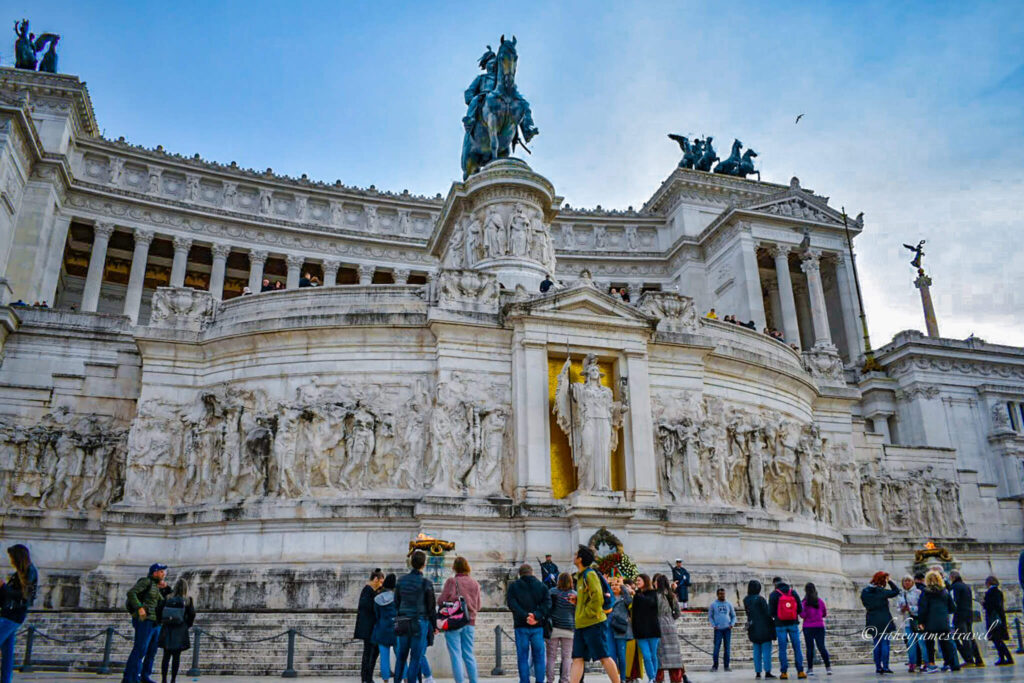
Built in the late 19th and early 20th centuries, it honours Victor Emmanuel II, who played a crucial role in unifying Italy.
You’ll find this impressive landmark right between Piazza Venezia and the Capitoline Hill, making it an unmissable sight during your Rome visit.
Read this itinerary for northern Italy.
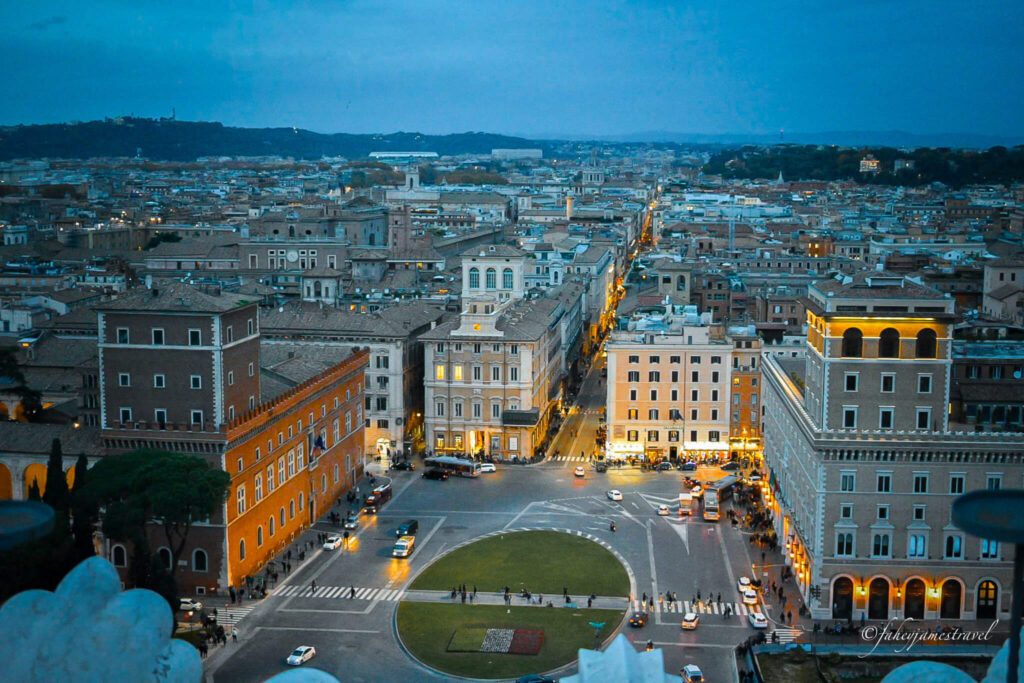
From the top, we enjoyed breathtaking panoramic views of the city, watching the people below while taking in Rome’s magnificent skyline.
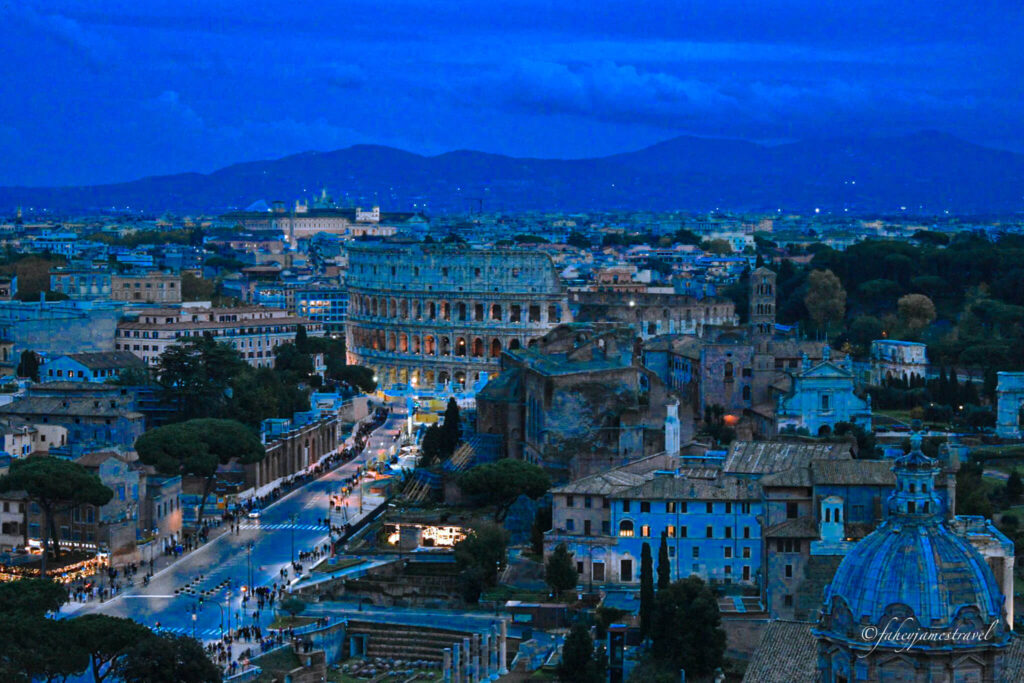
Entry Fee: Free (€12.00 to use the panoramic elevator to visit the terrace and rooftop).
Close by is the Piazza del Campidoglio.
A couple of minutes walk from the Monument to Victor Emmanuel II and you will be at the bottom of the steps.
The climb from bottom to top is less than 70 meters. At the top, you’ll discover a magnificent open square. The centrepiece is the striking Equestrian Statue of Marcus Aurelius.
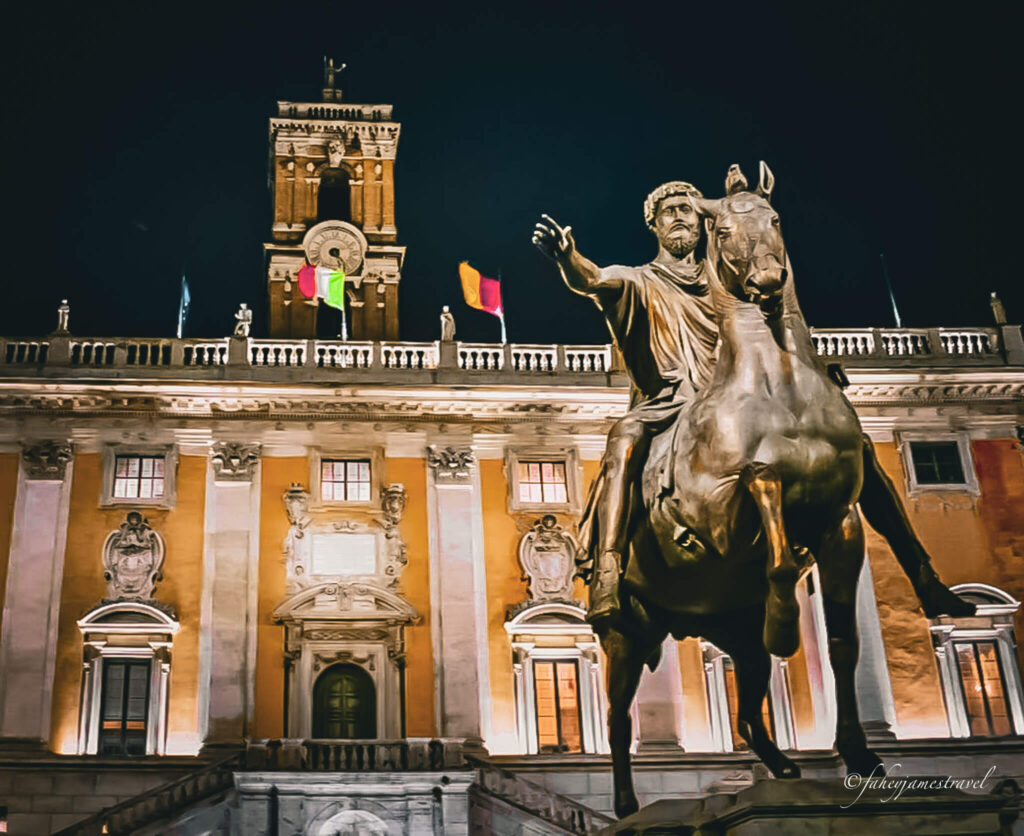
It’s a masterful work of art—though Rome certainly has no shortage of those.
Behind the statue stands the Fountain of the Goddess Roma, another exquisite sculpture that demands attention.
During my visit, I particularly loved exploring the square’s ground design and statues found along the way.

Here’s a fascinating detail: Piazza del Campidoglio sits atop Capitoline Hill, which served as the heart of Ancient Rome.
This was where all the city’s roads converged and where Romans gathered to celebrate their greatest triumphs.
What makes it even more special is that it remains Rome’s only surviving Renaissance-style square.

Entry Fee: Free, but the Capitoline Museums have an admission fee of €15.00 Per Person.
Considering Rome or Venice? Check out this comparison post for more details.
Day 2
Morning- Piazza Navona & Campo de’ Fiori
Make your way to Piazza Navona to start your second day of three in the Eternal City of Rome.
This is a public square where people can meet and grab a coffee or have a meal in one of the many restaurants in the square.
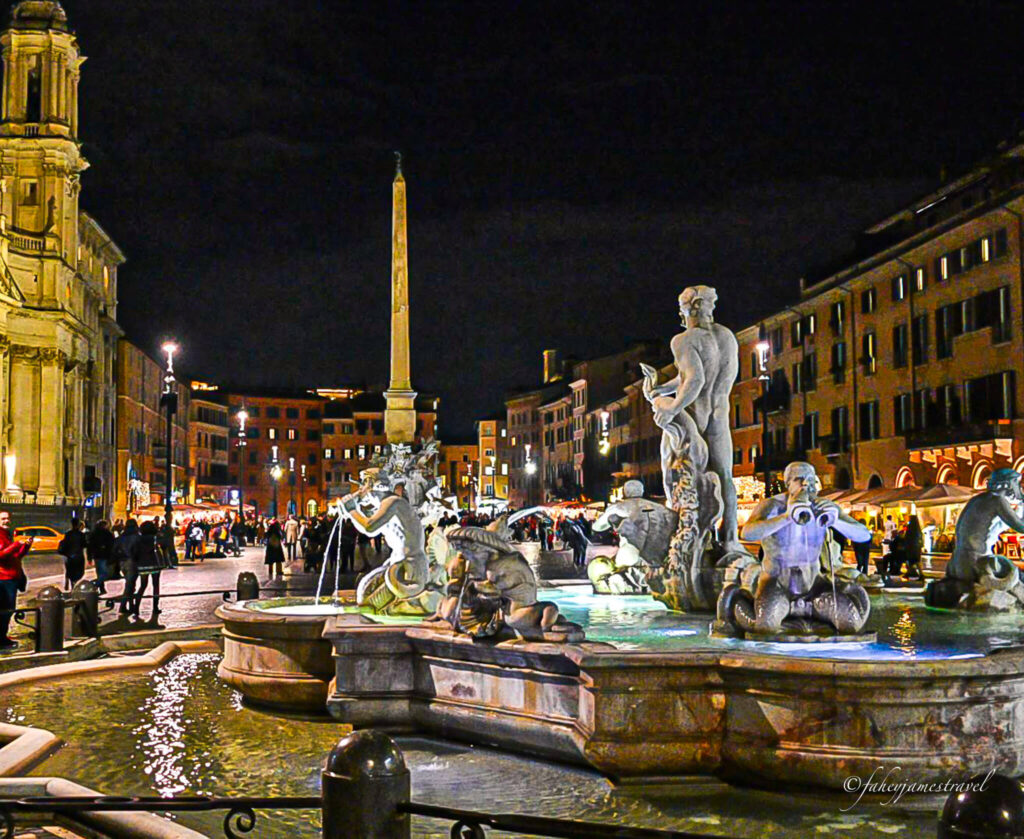
The Piazza Navona sits on what was once the grand Stadium of Domitian from 80 AD.
After the empire fell, locals used the stadium’s stones for other buildings, though you can still spot hints of its ancient past today.
When we visited at night, the glowing lights transformed the fountain into something truly magical.

Young people were chilling out beside the symmetrical fountains found at both ends of the square.
The fountains are stunningly beautiful, exactly what you’d expect to find in Rome.
Additionally, you won’t want to miss The Fountain of Four Rivers, which stands in front of the Church of Sant’Agnese in Agone.
It is a special place to visit, even if only for a short time.
Entry Fee: Free
Campo de’ Fiori is a nice market where we bought some fresh fruit and the most amazing Pomegranate Juice.

When we were walking around the market, there was a bustling atmosphere.
People were chatting with the merchants, and we had some fun interactions with locals as we slowly made our way through the market stalls.
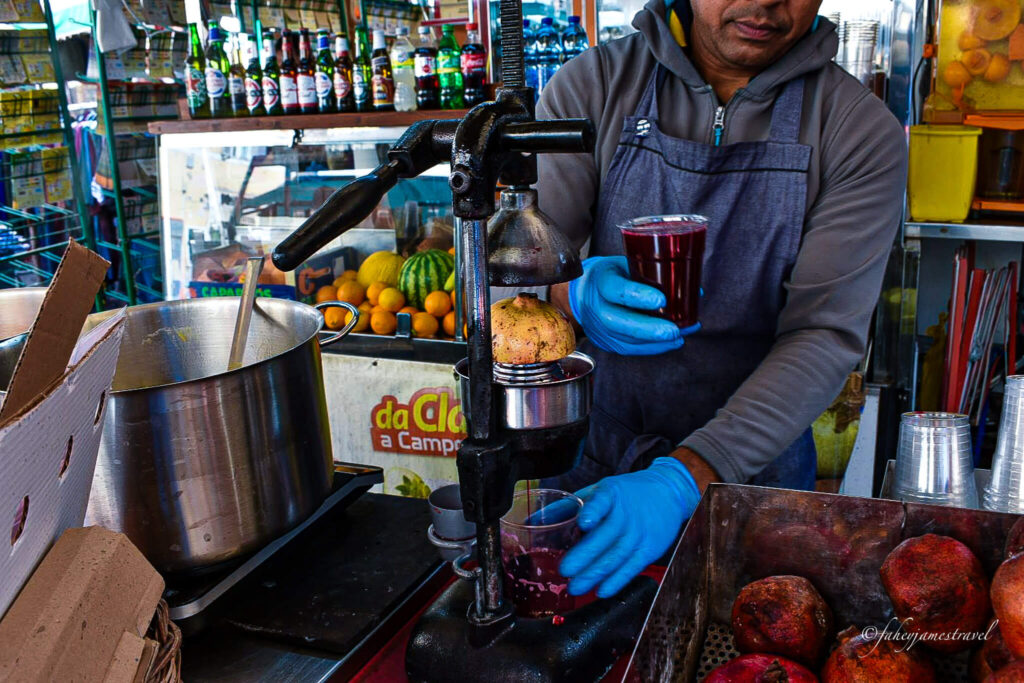
I highly suggest you try some local produce and feel the genuine warmth of the Roman people in this charming little market of joy.
Entry Fee: Free
Discover 10 Best Places to Visit in Italy for the First Time
Afternoon – Pantheon & Trevi Fountain
The Trevi Fountain is a must-visit spot in Rome, and I’m glad I made it there during my trip.
When I was in Rome, we were slowly walking through tall, narrow streets when suddenly we came upon the fountain.

It was bustling with visitors circling the fountain, but I immediately understood the attraction. The intricate stonework is stunning, and the flowing water creates a beautiful spectacle.
The fountain’s basin is filled with coins, likely amounting to thousands of euros. While tourists crowd around taking Instagram photos, it can be challenging to get a prime spot in front of the fountain.

But honestly, the fountain is equally magnificent from any angle, so don’t worry too much about where you stand for your photo.
Luckily, there is no fee for visiting this unique site, which is good news for those on a budget.
Entry Fee: Free

A short walk takes you to the Pantheon, an amazing part of Rome that attracts countless visitors.
I first saw it in The Da Vinci Code, an epic movie starring Tom Hanks.
When I visited it was night time and it had an amazai atmosphere. People filled the streets, but once inside, you could feel it become more peaceful with less noise.
The roof is impressive.
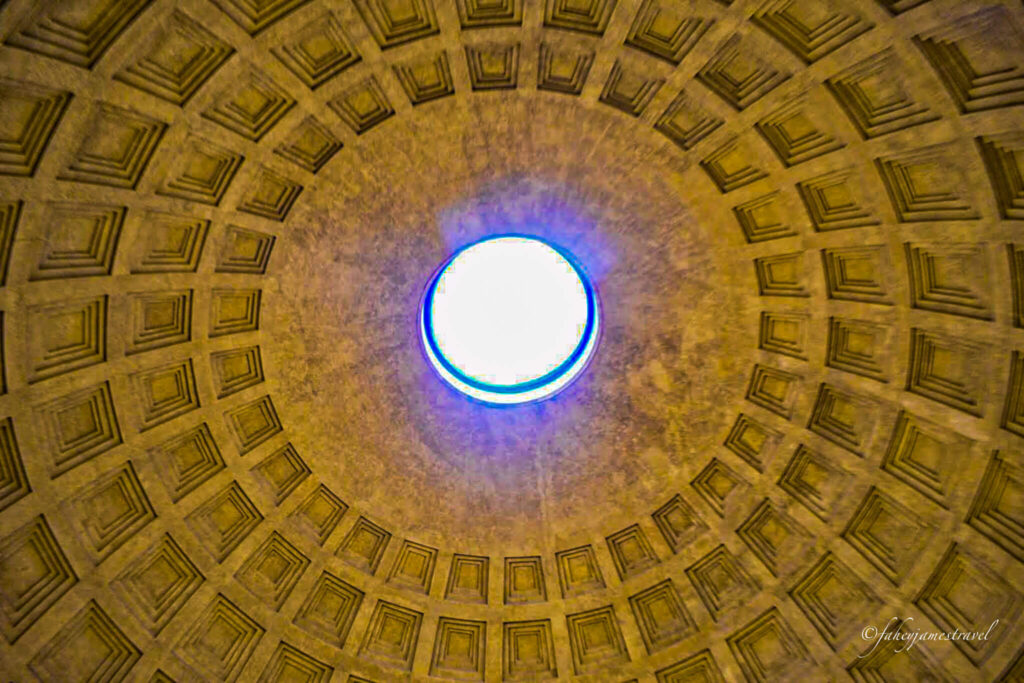
What I found most fascinating is that it’s one of the best-preserved Ancient Roman buildings, largely because it has been continuously used throughout history.
Since the 7th century, it has served as a church dedicated to St. Mary and the Martyrs – an incredible example of architectural preservation through active use.

Outside, the impressive pillars stand tall, giving the building its iconic appearance.
At nearly 12 meters high, these columns frame the perfect spot for photos near the Fontana del Pantheon just a few meters away.

Make sure you grab some food right beside the Pantheon at Gruppo Di Rienzo or Osteria da Fortunata – Pantheon, which were consistently packed when we passed through.
They have some superb reviews.
Entry Fee: Over 25 years: €5, 18-15 years: €3.00, under 18 years go free.
Evening – Piazza del Popolo
A great way to spend the end of the day is at Piazza del Popolo.
Walking through this square was a delightful experience. I saw children playing with bubble machines, street performers entertaining crowds, and people praying at the amazing churches.
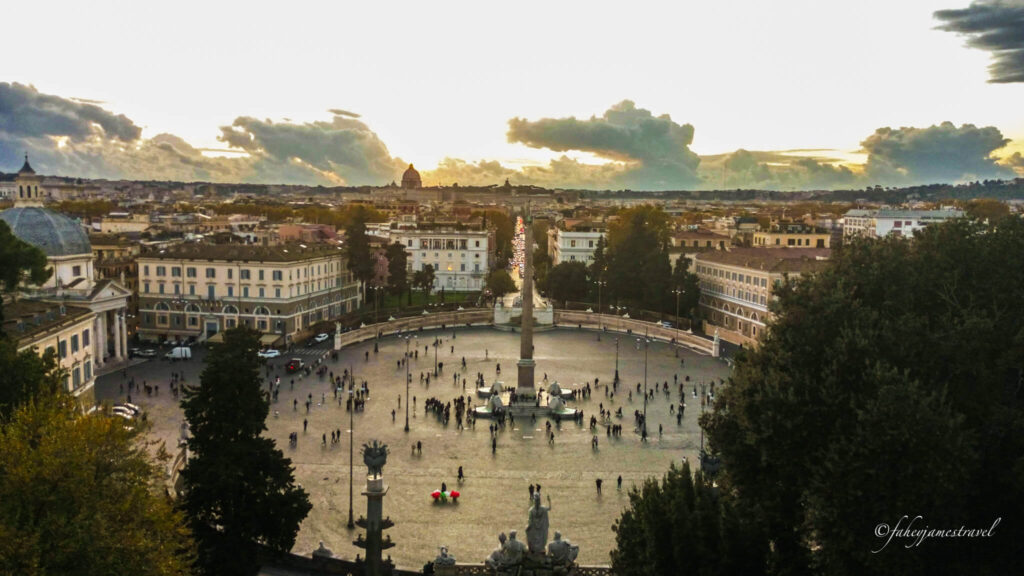
It felt like this was an authentic version of Rome.
The square is 100 metres long and it feels like a wide open space that could fit any major attraction in the city.
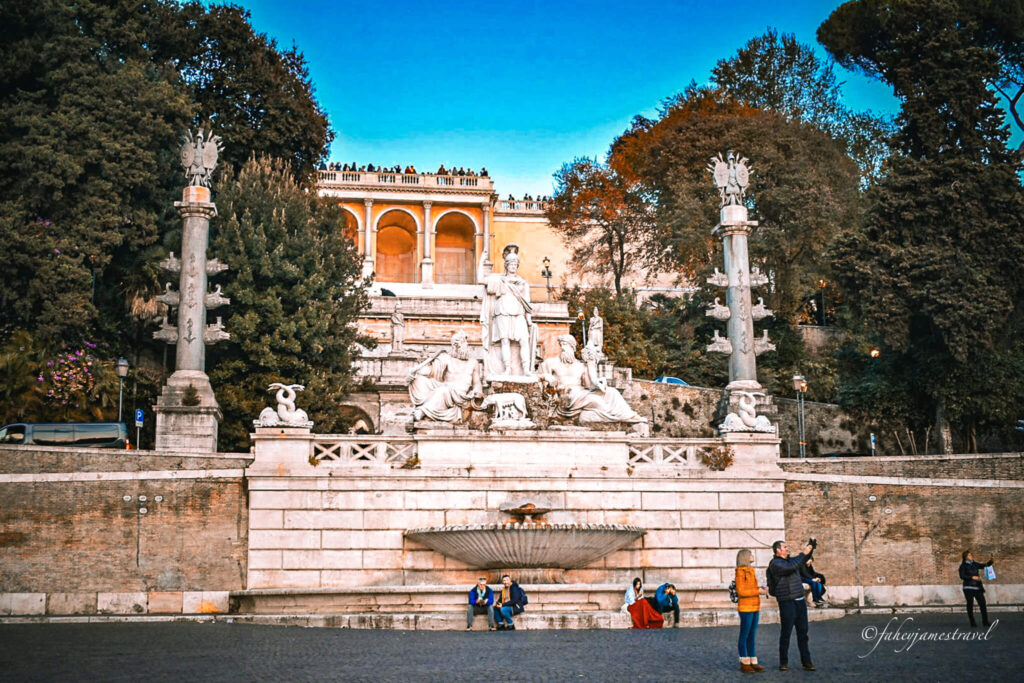
I recommend you make the walk up to Terrazza del Pincio, an amazing cultural landmark overlooking the square.

There are public bathrooms if needed and plenty of greenery the more you walk east toward Orologio ad acqua del Pincio also with a short visit to.
Below in the cobblestone streets of the square sits the beautiful Santa Maria in Montesanto Basilica and Chiesa Santa Maria dei Miracoli.
The former is a tall bariqgue chriuch built in the 17th century and it looks ridicualpsy special.
Opposite the street stands Chiesa Santa Maria dei Miracoli, where legend says the Virgin Mary performed a miracle.
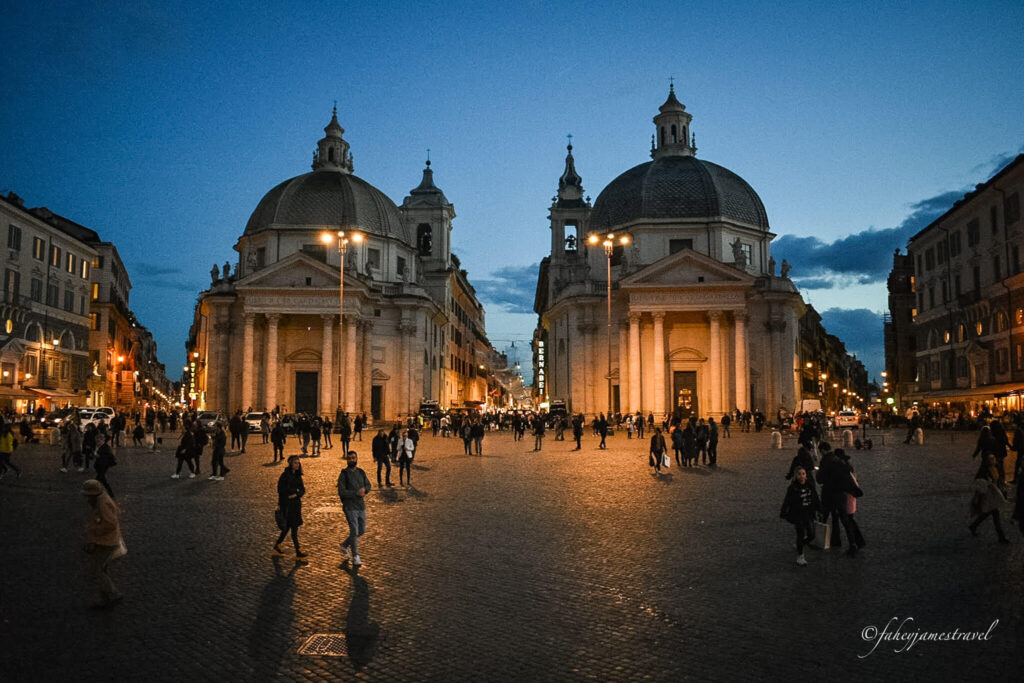
Between these two churches runs a street that leads directly to the Altar of the Fatherland, about 1.5 kilometers away if you walk southwards.
Entry Fee: Free into the square and churches.
Day 3
Morning – The Vatican
This was an epic experience.
The Vatican is world famous, and it was fascinating to walk through the streets and enter the Sistine Chapel.
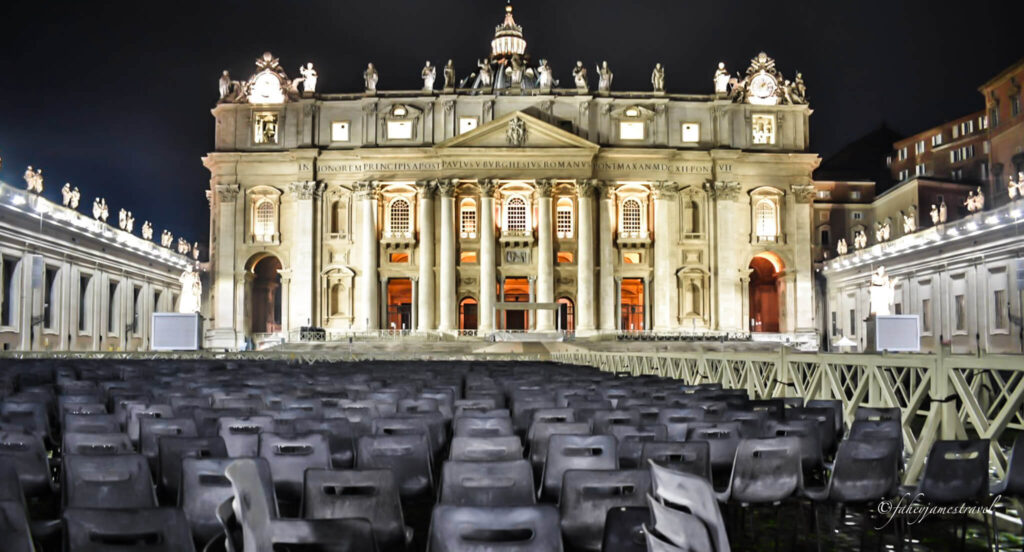
When I visited, it was evening, but people still lined the streets. We even attended a mass at Parrocchia Santuario di Santa Maria in Traspontin, which added to the experience.
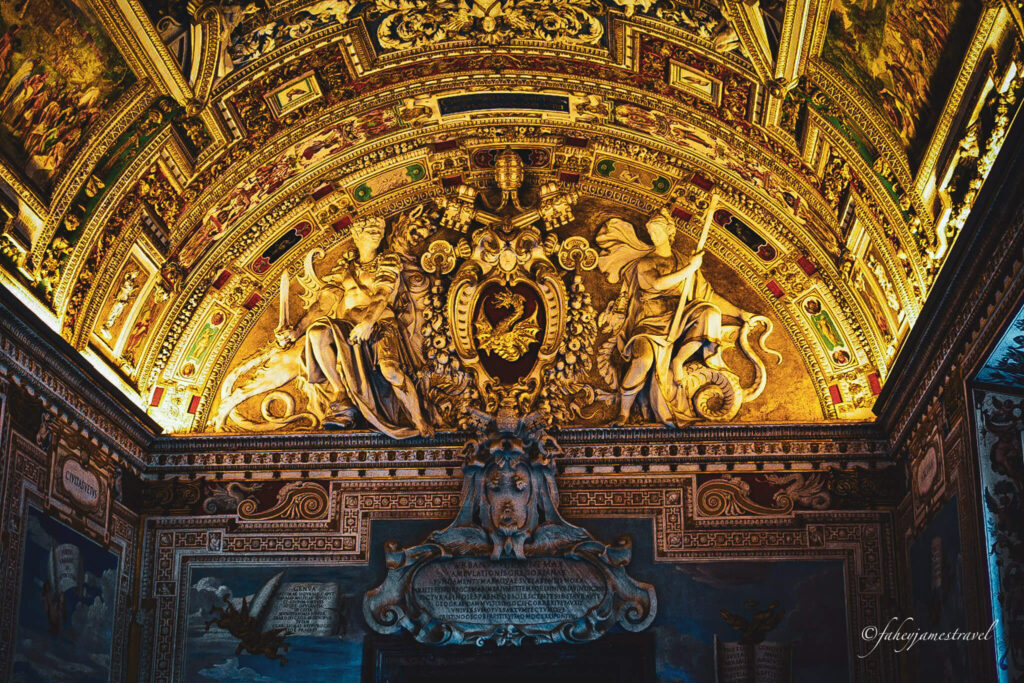
St. Peter’s Square Obelisk was surrounded by chairs, and people took photos of the holiest site in Rome.
Vatican City became its own country in 1929 – pretty cool, right?
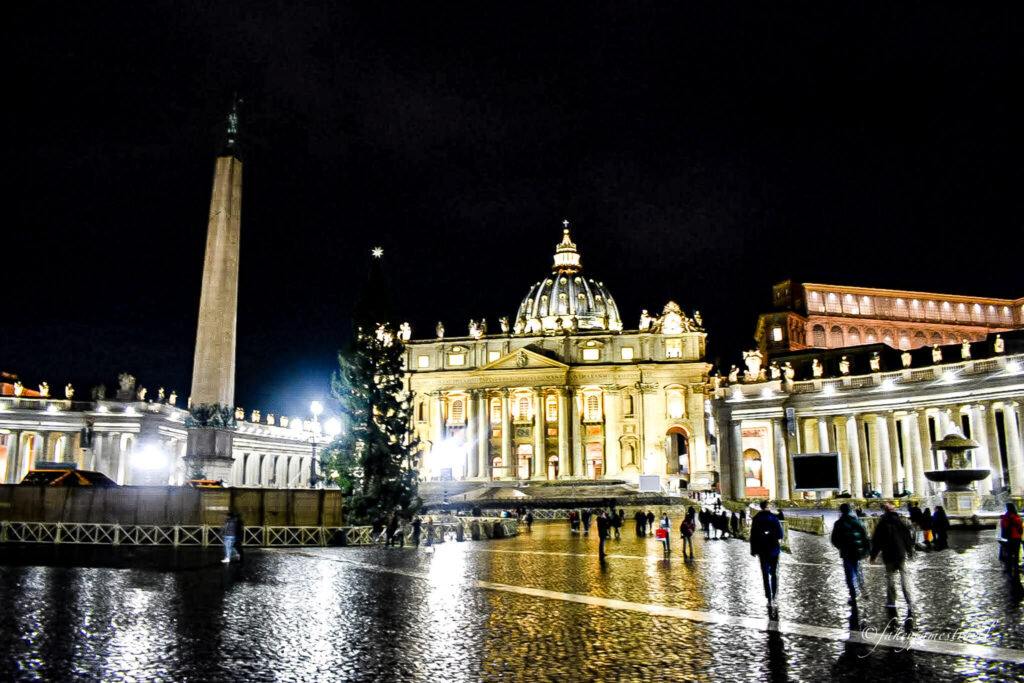
It’s completely separate from Italy and runs itself independently.
Think of it as the world’s smallest country but with huge influence.

When people talk about “The Vatican,” they might mean the actual city-state, the Pope himself, or the whole Catholic Church leadership.

The Vatican has many museums to visit if you have the time, and I recommend spending time inside, especially to see the Sistine Chapel.

St. Peter’s Basilica is one of the most spectacular sites in Europe, let alone Italy, and I firmly believe you cannot miss it during your three days in Rome.
Entry Fee: Vatican Museum costs €20.00 Per Person
Afternoon – Castel Sant’Angelo
Close to the Tiber River and right beside the Vatican, you’ll find Castel Sant’Angelo.
Here’s a cool bit of history: this massive building was actually built as Emperor Hadrian’s fancy tomb for himself and his family.

Later on, the popes thought, “Hey, this would make a great fortress!” and turned it into a castle. Fun fact: It used to be the tallest building in all of Rome!
Now it is beaten by only the Torre Eurosky!
When we visited, we made our way up to the viewing point and could see across the river with some amazing views.
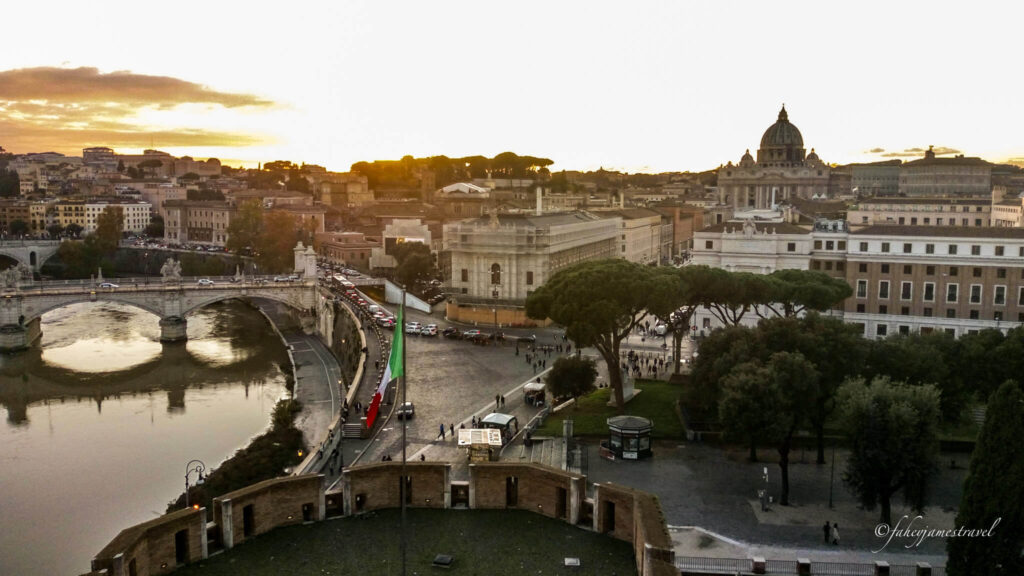
Additionally, walking through the Dromos e Atrium was very impressive, and you can visit the Museo Nazionale di Castel Sant’Angelo to catch up on some history.
I loved how we could easily make our way between the Vatican and the Castel Sant’Angelo and see two of Rome’s most famous sites together!
Entry Fee: Adults €20.50, Young Europeans (18-25) €7.50, Under 18s Free.
Evening – Spanish Steps
Another iconic one of Rome’s sites is the Spanish Steps!
Here, we moved from the beautiful Piazza di Spagna at the bottom up to Piazza Trinità dei Monti at the top, where you’ll find the stunning Trinità dei Monti church overlooking the steps.
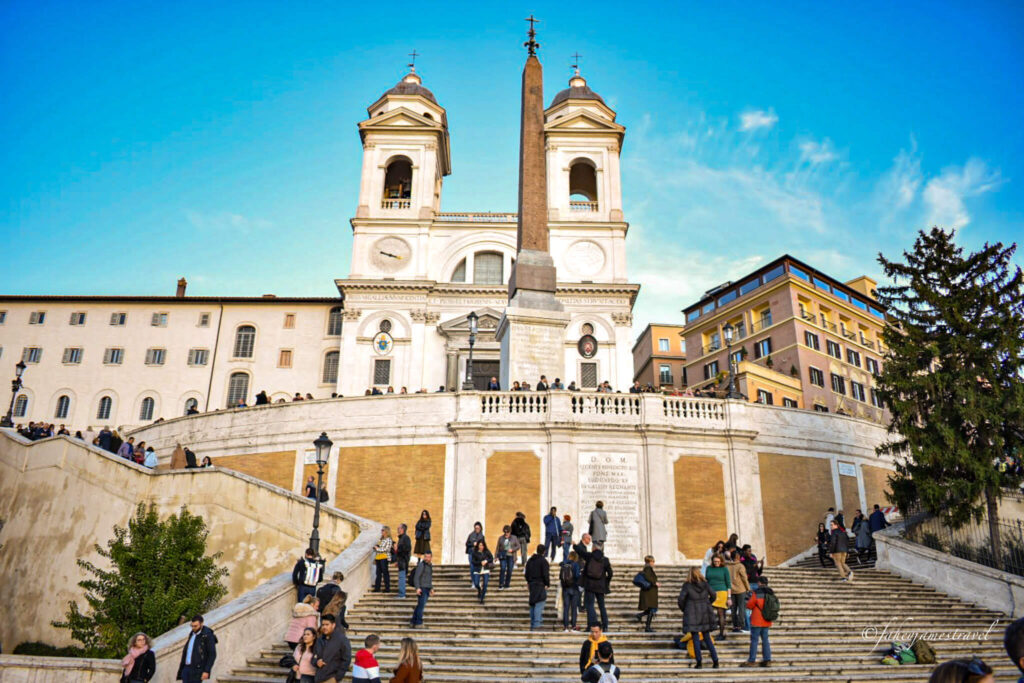
The steps end after 135 steps and it can be tough to make it to the top without a stop. But turn around to see some cool views of the city and people below.
I also loved the impressive Sallustiano Obelisk at the top of the steps and the Fontana della Barcaccia at the very bottom.
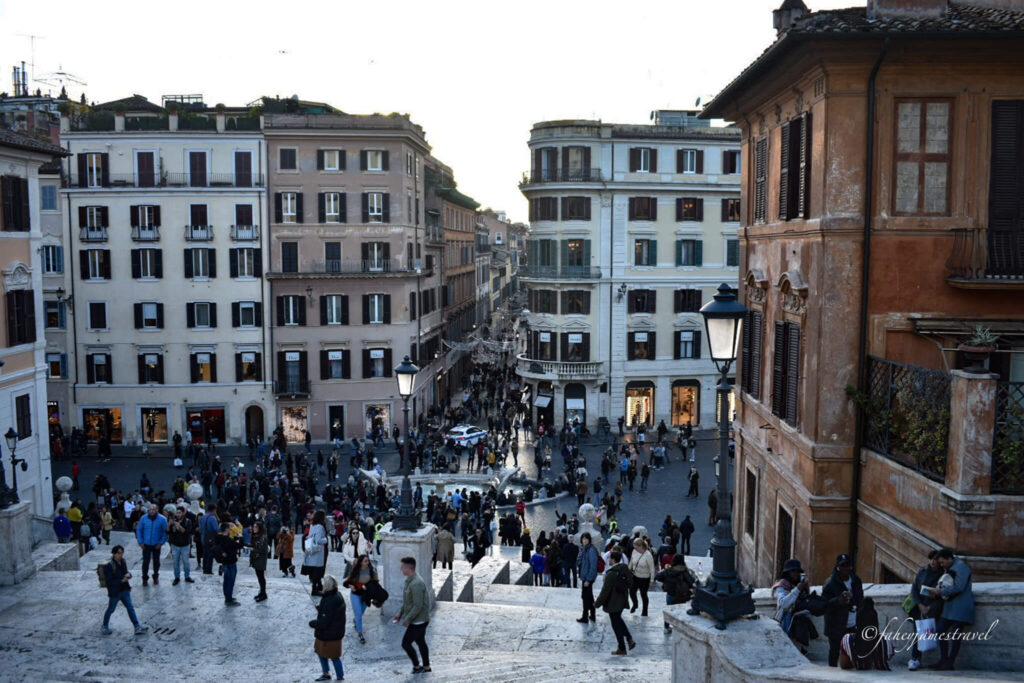
This grand staircase has long been a popular gathering place where people come to soak in the Roman atmosphere among the crowds.
Why not grab a nice cup of tea at Babington’s at the bottom of the steps before you start your ascent?
Entry Fee: Free entry to walk the steps.
Best Restaurants in Rome
When I visited Rome, one of my favourite restaurants was Pizzeria Acqua & Farina.
The pizza was amazing, and I highly recommend you try it if you have time. It’s about a 30-minute walk from the Colosseum, so you might be able to visit it while moving between sites.

If not, there are many other outstanding places to eat in Rome.
It is Rome, after all! You could find amazing food for reasonable prices throughout the city.
By just walking there streets, you will stumble upon some great places to eat in three days.
Best Time to Visit Rome
Weather-wise, the best time to visit Rome is between April and June, before the real heat arrives.
When we visited in November, it was cold and cloudy. However, we had all the attractions to ourselves in a way.
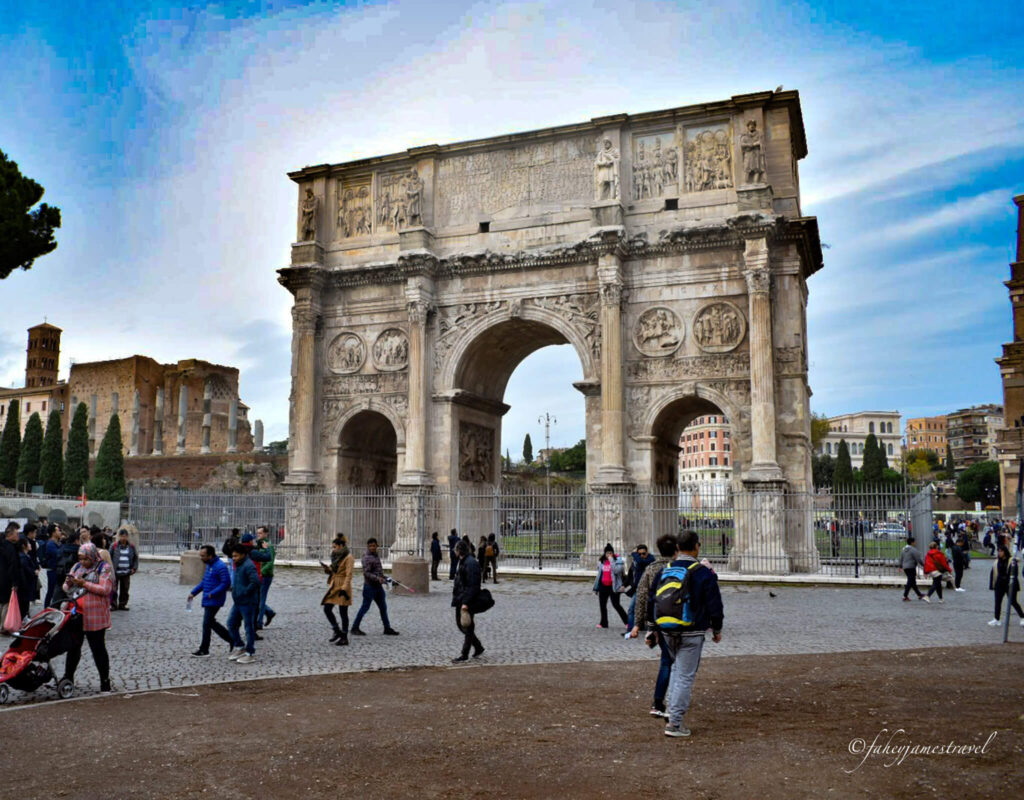
We could walk through the Colosseum, Forum, and the Vatican without many crowds. Yes, there were people in the streets, but it felt very comfortable.
If you want to beat the crowds, visit in November or December. If you prefer the best weather, plan your trip for May or June.
Where To Stay in Rome
Rome is a big city. That means there are many things to do, especially if you have 3 days in the city.
When I visited, I stayed in A&C Much More. It was a nice place to stay. Very affordable and close to the train station, which I loved. While the room was a tad small, we had a street view, and it felt like a safe and private area.
I would recommend booking this place when visiting Rome for three days.
Some other amazing places to stay include:
Hotel Le Petit ***
Hotel Dorica ***
Hub Pantheon ****
Getting Around Rome In Three Days
For me, the best way to see Rome is by walking through the city.
During our three days in the city, walking made perfect sense, and we discovered all the charming narrow streets full of character.
If you want to save time and energy, there are some good alternative options.
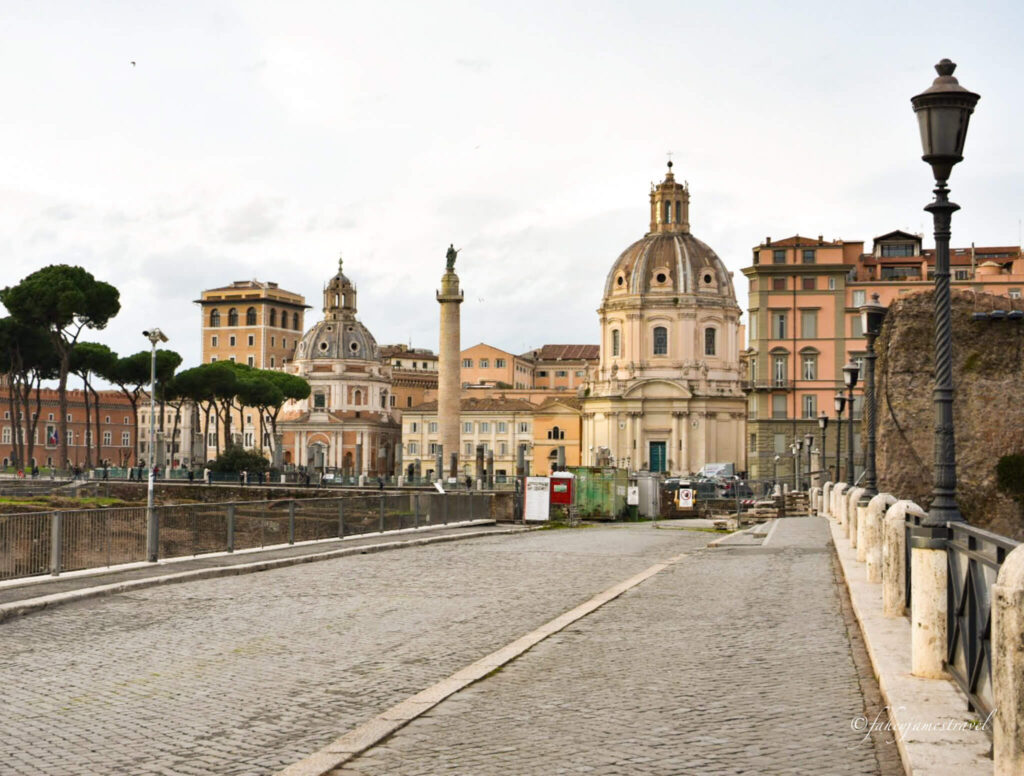
Hop-on-hop-off buses are great. As is the metro. You can even get a taxi if you need it, but avoid this during rush hours when traffic can be terrible.
Many major sites can be visited by using the metro.
Use Termini Station to get the bus to some of the city’s most popular sites.
Final Thoughts/Conclusion
Rome is epic. It is grand. Rome is… Rome.
It’s undeniable that Rome has so much to offer travellers, even in just three days.
When we visited, I was struck by how beautiful the city was. I’m not just talking about the obvious tourist attractions like the Vatican sites.
I mean the narrow cobblestone streets. They exude life from the locals. You can hear amazing sounds throughout the city.
You can fall in love with the language. And, of course, the food speaks for itself.
It’s very different from the south, like Sicily, or the north, like Milan, Lake Garda or Lake Como. It just has something special that you can only experience once you visit.
I hope this 3-day itinerary will help you on your way to an action-packed visit to the eternal city.
Feel free to reach out with any questions.
Would you personally like to visit any of the places I mentioned?
Thanks for reading,
James
FAQs
Is 3 Days Long Enough in Rome?
Yes, 3 days in Rome is enough time to visit all the major attractions while not getting bored. I found 3 days just enough to feel the Italian love and atmosphere that fill the ancient streets. As Rome is a small walkable city you can access them in a short enough time. I could spend weeks in Roime if I could, but sadly, 3 days was all I could manage last time around.
How Many Days Are Needed In Rome?
You could spend anywhere from 3 days to one week in Rome, in my opinion. Rome can be explored thoroughly within 3 days, as we did. Thankfully, we visited all the must-see places like the Colosseum and the Forum. More than 3 days will allow for deeper exploration and help you absorb every bit of history from the ruins scattered throughout the city.
Is 4 Days In Rome Too Much?
No, 4 days in Rome would be a wonderful amount of time to explore the city. When we visited for 3 days, we would have loved an extra day to see more. If you can extend your stay to 4 days instead of 3, I definitely recommend it. Rome has everything you could want for an amazing short trip: incredible food, rich history, stunning architecture, and passion in every aspect.
- Angkor Botanical Garden: Is Siem Reap’s Free Garden Worth It?
- Tomb Raider Temple (Ta Prohm): My Honest Guide From Angkor
- Things To Do In Cambodia (2026): My Honest Guide After Visiting
- My Two Weeks In Cambodia Itinerary (From Someone Who Spent Nearly A Month There)
- How To Visit Angkor Wat In 2026