Southeast Asia Packing List 2027: What To Pack And What To Skip
What I Got Wrong The First Time I Packed For Southeast Asia
Southeast Asia packing lists usually get one thing wrong straight away.
They tell you what to bring, not what to leave behind.
I spent 20 months (4 trips) moving through Asia with a 9 kg bag on my front and an 18 kg bag on my back, so I’ve had plenty of time on long bus rides to work out what actually earns its place and what’s just dead weight.
Honestly, the dead weight is the bigger problem. I remember getting home after 8 months away and pulling out a bottle of Lynx deodorant I’d packed on day one. Still almost full. That bottle travelled thousands of kilometres in that 18 kg bag and did nothing but take up space I didn’t have.
That’s the real issue with limited baggage weight. It’s not really about what you need. It’s about what you think you need before you’ve actually been there.
Take mosquito spray. Everyone packs it. You don’t need to. It’s sold everywhere from Bangkok to Hanoi, usually cheaper than at home, and you can buy it the day you land. Same goes for a good chunk of what ends up in most packing lists.
I’m writing this for couples and solo travellers, and I’m not padding it out with 500 words before getting to the point.
So here’s what actually matters: what to bring, what to buy there instead, and what to just leave at home.
Disclosure: Some of the links on this page are affiliate links, which means that if you make a booking through them, I may earn a commission. See my Privacy Policy.
Links For Planning A Trip To Southeast Asia
🏥 Book SafetyWing Travel Insurance Which Worked Great For Me
Travel Documents You Actually Need
I was nervous about getting the passport validity wrong, so I checked it three times before booking anything.

Most places in Southeast Asia require you to have at least six months’ validity left on your passport before you arrive.
It honestly makes sense to me, but there must be a reason. In Ireland, it takes up to 10 days to renew a passport online, but your country may be different. Make sure to check this well in advance of your trip, as it’s something many people totally forget about.
In Thailand, I could extend my stay by visiting an immigration office. I needed a TM7 and a TM30 form signed by my hotel. In Bali, I just had to apply online. There was no need to pay for any services for a visa extension.
My point is that it is different for each country, although I have only ever extended my stay in Thailand and Indonesia.
One big thing I always did was print at least three copies of my passport, visas, and insurance before I travelled. I kept them in a plastic protective folder in my backpack and left copies in my luggage. Maybe it was not the safest idea if somebody were to take your bags, but that is how I did it.
Anytime I needed any paperwork, I knew exactly where to look and did not waste time.
On my laptop, I went one step further.
I always kept copies of these files in a folder on my desktop and on Google Drive, so each location had a backup plan. I rarely, if ever, had to go to my laptop because of the physical copies. But sometimes bags can be stolen or lost, so it is best to keep access on all fronts.
I always kept a few passport photos in my wallet, just in case, and I recommend you do the same for any border crossings or paperwork.
What To Know About Cash And Cards
Before I visited Southeast Asia, I had no idea whether I needed to carry loads of cash, or if using a card would be fine.

Again, it depended. In rural Thailand or Laos, cash ruled the roost.
In Bangkok, Phnom Penh, Ubud, or Chiang Mai, there was usually access to ATMs. Revolut, PayPal, Apple Pay, and my bank app were all options for paying in cities.
Revolut was essentially my backup card, and if you have a couple of these, it is far safer, especially for a longer trip.
I always brought some backup cash. For example, in Cambodia, where both US dollars and Cambodian riel are accepted, I kept $50.00 in my wallet just in case, as well as €50.00. Euros were less important in this part of the world, but when I flew home, I knew I had some cash ready to go.
Overall, the ATMs were fine. My card was never eaten, but the transaction fees were annoying. I remember in Thailand, they were the most expensive. Normally, I paid between 220 to 250 Baht ($6.64 to $7.55 / €5.72 to €6.50 / £4.91 to £5.58). In Laos it’s closer to 20,000 to 60,000 Kip ($0.88 to $2.64 / €0.77 to €2.32 / £0.66 to £1.99). But it does vary.
Laos, Cambodia, and Vietnam were not as high, but it is still better than carrying around hundreds of dollars every time you go out to the bar or beach.
I was so angry when I saw my personal bank charged me a fee as well as the bank I withdrew from. Never accept the currency conversion, as this will be more expensive. Select no, take your cash, and do not look back, but do take your receipt just in case.
I always counted my bills at the ATM, so if I had a problem, I would go into the bank, tell them I did not get all my cash, and present the receipt.
But I have never had to do this.
Never accept damaged bills.
In Cambodia, someone handed back my $5.00 bill for this reason. If there is pen or marker on it, you should not accept it and should ask for a clean, new one. This happened more in Laos and Cambodia, in my experience.
I was annoyed at first, then I remembered they probably needed the money, so I let it go.
Choosing Your Bag For Southeast Asia
Before I get to the clothes and items that you should and should not include, you need to decide what to carry them in.
A backpack? A suitcase? What is the best way to bring your luggage to Southeast Asia?
For nearly 8 months, I used a Regatta 85 litre bag for the big stuff and a smaller North Face Backpack, which was packed at about 9KG, for the small electrical items of value.

To be honest, it worked very well. I could push all my packing cubes deep down, and away I went on my travels.
Though it was heavy, I could move things around quickly, reach in and pull out items and pack it easily on a boat or minivan. But it strained my back after a few months.
After taking a break from travelling, I upgraded to a Samsonite wheeled suitcase, which I found to be perfect.
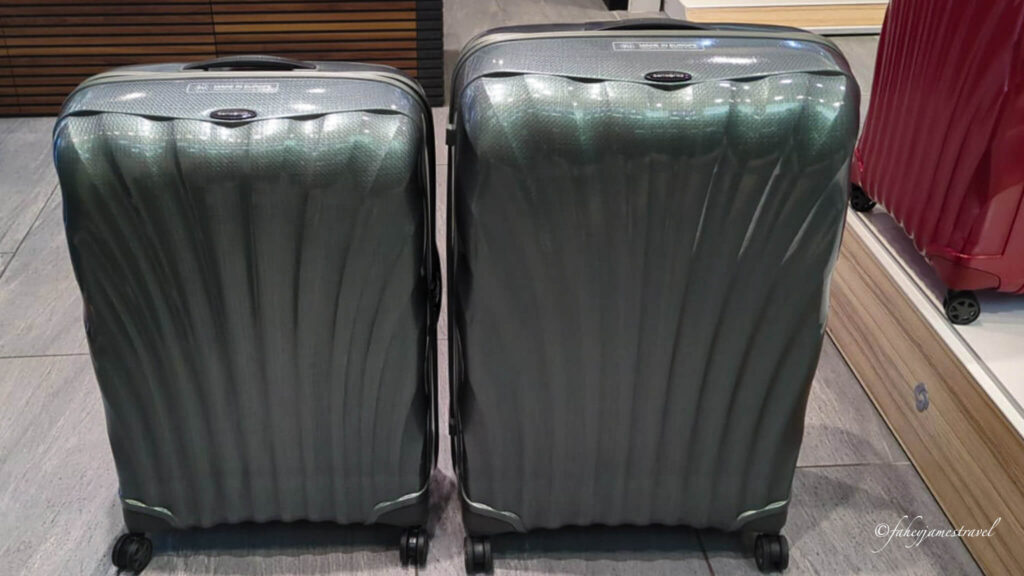
It literally takes all the weight off your back. For long-term travel, this is particularly useful.
If you plan to travel for a couple of weeks or even a couple of months, then I think a backpack of 60-85 litres would do well. With an additional smaller backpack for any day trip, you take to the beautiful islands, for example.
The Samsonite held up far better than expected so I am happy I opted for this one.
Clothing Essentials For Southeast Asia
Below is a list of clothes I packed for Southeast Asia and other parts of Asia.
I set out at the end of March, when it was the hottest part of the year. Because it was a long trip, I brought a little bit of everything, which was a mistake.
But had I only planned to visit Southeast Asia, this is what I would have packed.
1 fleece. For the airports and overnight buses, mainly. Sadly, I lost mine on a night bus in Vietnam. But I would suggest you take it with you in case it gets cold. You will be thankful.
T-shirts. Ensure they are light and don’t hold moisture. Breathable with short sleeves is always better. The number will depend on how long you stay. For three months, I bought 5 t-shirts, but purchased plenty of Thai-style shorts over time.
Ankle Socks. These will look better than regular socks, and they are light and breathable. You can purchase a number of pairs together to simplify things. Keep your feet happy, and you will travel happier.
Zip-off pants. Ingenious. When travelling on a plane, you can cover your legs fully to keep warm. When you’re out in the streets of Bangkok, and it’s 40 Degrees, you can lose the bottom half. Decathlon, Regatta and Mountain Warehouse offer some great options. Usually, they have plenty of pockets too, so you can carry a phone, power banks and other important items.
Swimming shorts. To be honest, usually, I found the clothes I bought in Southeast Asia to fail quicker than some I brought with me. After a couple of uses, some items simply fell apart. If I were you, I would bring swimming shorts and training shorts with me. Whether it’s used for a run or other activity, you want clothes that will last.
Lightweight waterproof jacket. Maybe the most used and praised item of mine after 20 months of travelling in Asia. I bought a size larger than I needed. This was to cover my backpack when it was on my back and protect my laptop and camera as I moved through the heavy downpours that are often experienced in Southeast Asia. This is important for your Asian travel essentials list. Check out this one from Decathlon, which was perfect for me.
2 Long-sleeved shirts. Sure, Southeast Asia can get very hot and humid, but at night, the temperature can fall. Make sure you bring at least one long-sleeved shirt to cover your arms and keep the heat in. During the day, it can protect you from the sun.
Important – Most temples in Southeast Asia have a dress code that must be adhered to for entry. Knees and shoulders must be covered. I found the zip-on trousers so useful here. Before entering a temple, slip them on. On exit, slip them off.
Also, considering the elements of heat, rain and general rough and tumble, your clothes will take a hammering.
Many of my clothes were unusable after I spent a few months in Southeast Asia. Particularly after I used a laundry service.
They can come back scrubbed excessively with some minor damage.
Over time, the fabric will diminish. My white shirts stayed white for about 2 days. They became stretched and torn.
Keep that in mind when you pack your favourite items.
Footwear You’ll Actually Wear
Running Shoes. You can use them day to day, or for any training you may do. Asics are a great brand known for quality, and they won’t break the bank. They are comfortable and versatile. I wouldn’t travel long-term or short-term without them.
Hiking Boots: I used these for Angkor Wat, the caves in Laos, the rice terraces of Chiang Mai and Sapa. They are heavy but so important when it comes to rough terrain and rainy weather.
Flip-flops: For pottering around your room, using the hostel showers, and for something you can throw away after the trip so it is not expensive.
Sandals: For everyday wear, whether you are heading to the beach or the night market. I always packed at least one pair. They are sturdier than flip-flops.
Watershoes: I discovered the benefit of these on my second trip to Asia, and snorkelling and swimming were so much more comfortable. I could move around without worrying, and after I badly cut my foot in Koh Lipe, I always wore them after that incident.
Yes, that’s more shoes than the minimalist packers recommend, but rice terraces and hostel showers need different things underfoot.
Travel Accessories.
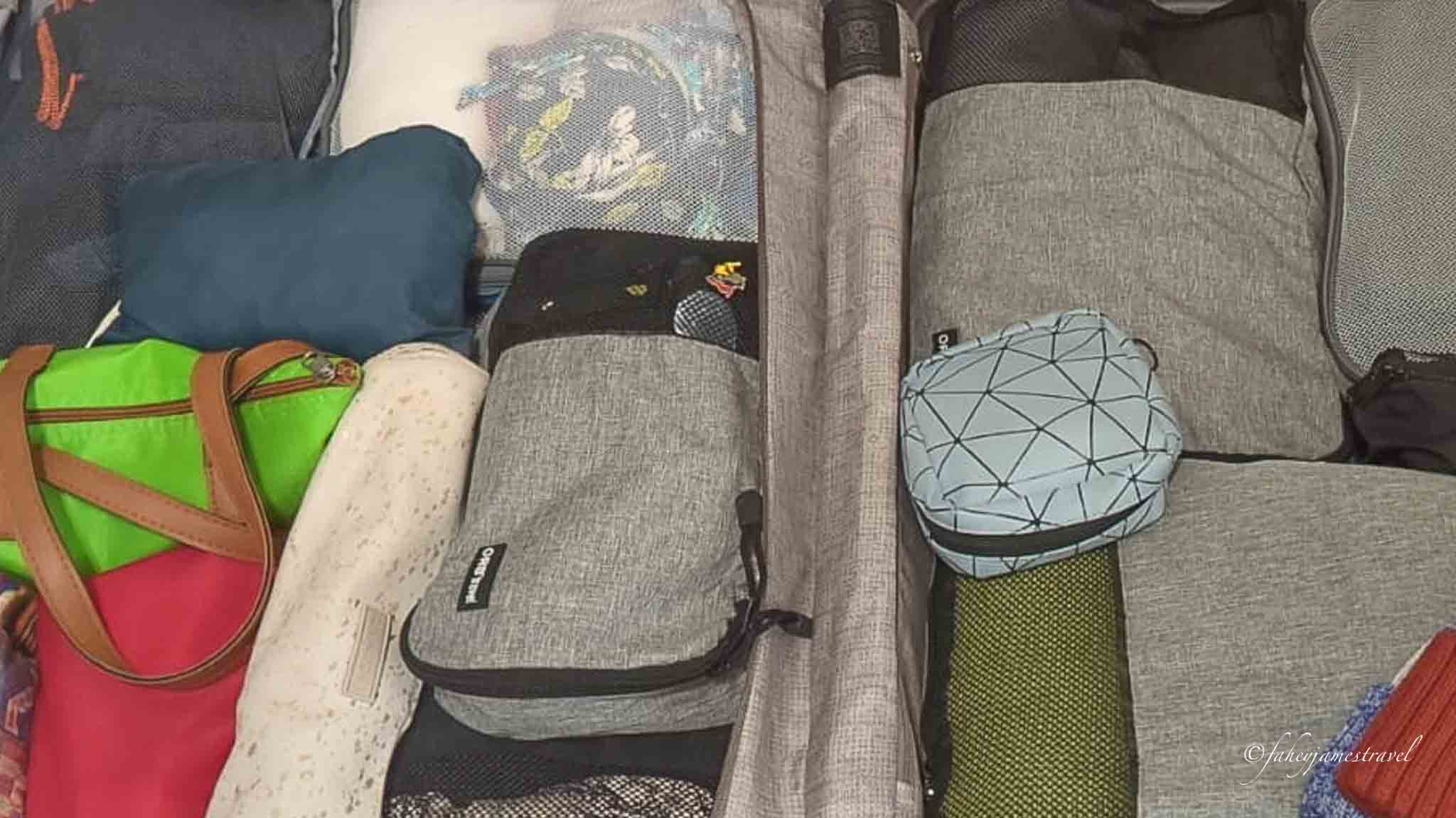
Packing cubes. I never thought I would see how important packing cubes are for long-term travel. Allocating one for all your socks and underwear and another for t-shirts and trousers was a game-changer for me. You can easily find what you are looking for later, too, which is a huge plus.
Lightweight bag. This was such a handy item to bring. It felt like a millimetre thin. For days when you wanted to visit the beach or do a hiking trail, you could pop it on your back with a water bottle, a towel and away you.
Small day backpack. I use a trusty North Face backpack, which I have had for years. It fits everything I need to move around day to day. There is a laptop compartment so I can fit that, my camera and my drone all in when I go on an excursion. Highly recommend you bring a good day backpack.
Fanny pack/Bum bag. I honestly suggest you bring a fanny pack to store your passport as you move through Southeast Asia. This was my saviour as I tend to leave things around the place, and it can get messy very quickly. I always knew my passport was strapped around my waist when I was about to go somewhere new.
Travel Padlocks. I always feel a little safer when moving with my valuables bag locked. I carry two of these, and I know if I misplace my bag, at least it is inaccessible.
Health, Safety And Hygiene Items
Okay, now this is where it gets more important in my opinion.
To avoid an upset stomach, I would urge you to practice good hygiene before and after eating. Washing hands with soap and using sanitiser is a great idea.
By the way, you will mostly find squat toilets in Southeast Asia. There will be a hose for you to use to clean. Often, there is no toilet paper. Sometimes there is soap, and other times there is none.
The best way to tackle this is to carry hand sanitiser in your bag at all times. It’s light and could potentially help you avoid a sick belly.
Sunscreen. It’s a little cheaper in Europe than in Asia. I encourage you to bring a few extra bottles if you want to travel on a budget. The higher the SPF, the better. If you’re pale like me, then you need to take care of your skin. Everyone should.
Filtered water bottle. A filtered bottle is a great way to ensure you drink cleaner water. I used a Larq bottle the whole way through my 20 months in Asia. Charging it every couple of days was not too hard. If you are not confident about the water, then it will help neutralise the bacteria.
First aid kit. Hopefully, you don’t have to use it, but whenever I needed it, what a relief to have it. For simple cuts and bumps, it was useful to get a Band-Aid for a wound. I cut my foot numerous times on coral and bled lots so I just went for the kit. I would suggest you have them more easily accessible later, once settled if you need them urgently.
Mosquito Repellent. Make sure to get mosquito repellent with Deet, the higher the better. I didn’t get anything lower than 50%.
Malarone (anti-malaria medication). Malaria can be found in Southeast Asia, and you should do as much as you can to avoid it. Speak to your doctor about how much you should bring with you.
Other Useful Items To Consider
For Men
- Deodorant (one will do, buy more later)
- Electric razor
- Toothpaste and a brush
- Nail clip
- Body wash and shampoo (this can be a small bottle because most hotels will have some. Shampoo bars are better)
- Face cloth
For Women (thanks, Guadalupe)
- Facial wash
- Vitamin C serum
- Moisturiser
- Facial suncream
- Deodorant
- Toothpaste and a brush
- Tampons
- Body wash and shampoo (this can be a small bottle because most hotels will have some)
- Make-up and removal
- Tweezers
- Conditioner
- Menstrual cup (harder to find good tampons in rural areas)
Electronics And Camera Gear
Nowadays, everyone wants to digitise their travels.
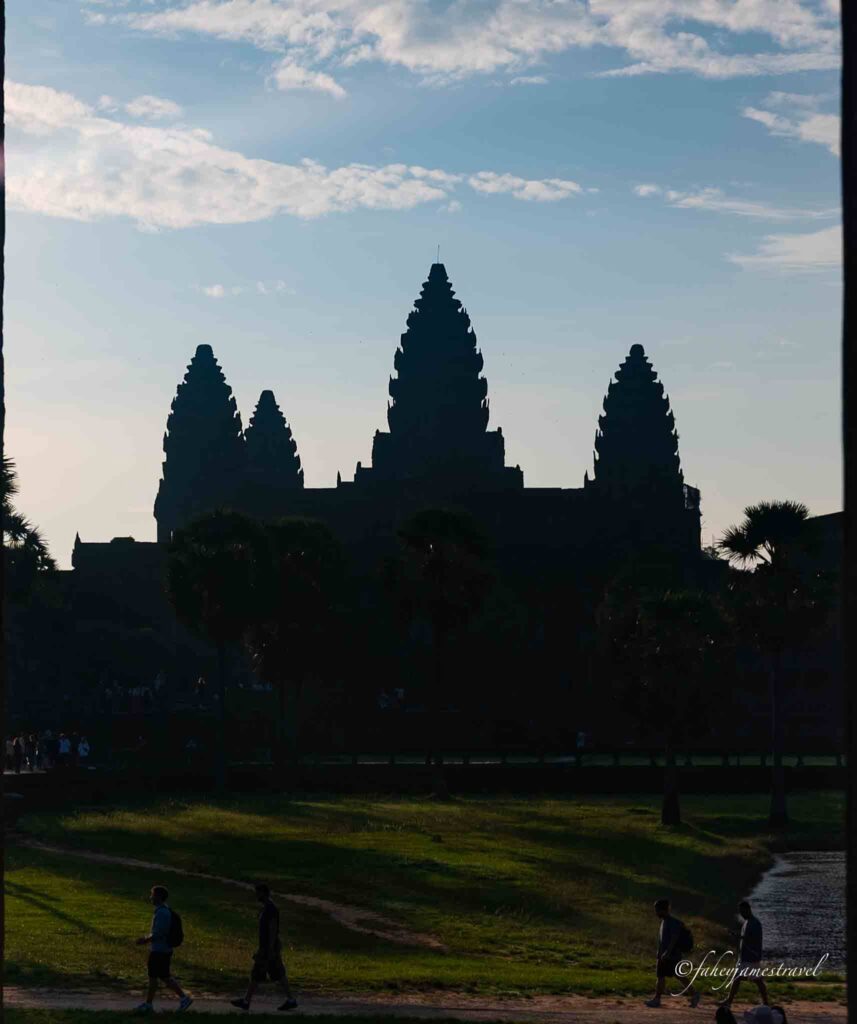
Whether for social media or themselves, it is wonderful to have memories to look back on in the future.
I travelled with my Nikon Z5, which is an outstanding camera and got me some brilliantly clear shots all over Asia. An iPhone, a large tripod, a drone, a laptop (for editing), two gimbals, two power banks, and lens filters, and let me tell you, for most people, this won’t be needed.
If you are a professional, then okay, you will likely have to get a specialised bag to carry all the electronics, but if you, like me, are a blogger and vlogger, then all you need is an iPhone and maybe a camera if you’re passionate about photography.
I used the filters once in 20 months. The tripod may be 4 or 5 times. All the while, I had to carry it around when moving. This was a big mistake.
In summary, the only camera gear to bring is:
- Good quality phone camera
- DSLR/Mirrorless
- SD card
Simple.
Power bank. Essential to stay powered and connected to the world. I brought two with me to Asia (one would have been enough). Adata were a great choice for me and worked perfectly even after three years of use.
Universal Adapter. You will need to charge your electronics. There are plenty of options online, but this is one that will work just fine. Reasonably priced, so I brought a couple with me.
Packing Notes By Country
- Thailand: Rent or buy a sarong for temples. I could not enter the Grand Palace in shorts, so I had to buy one.
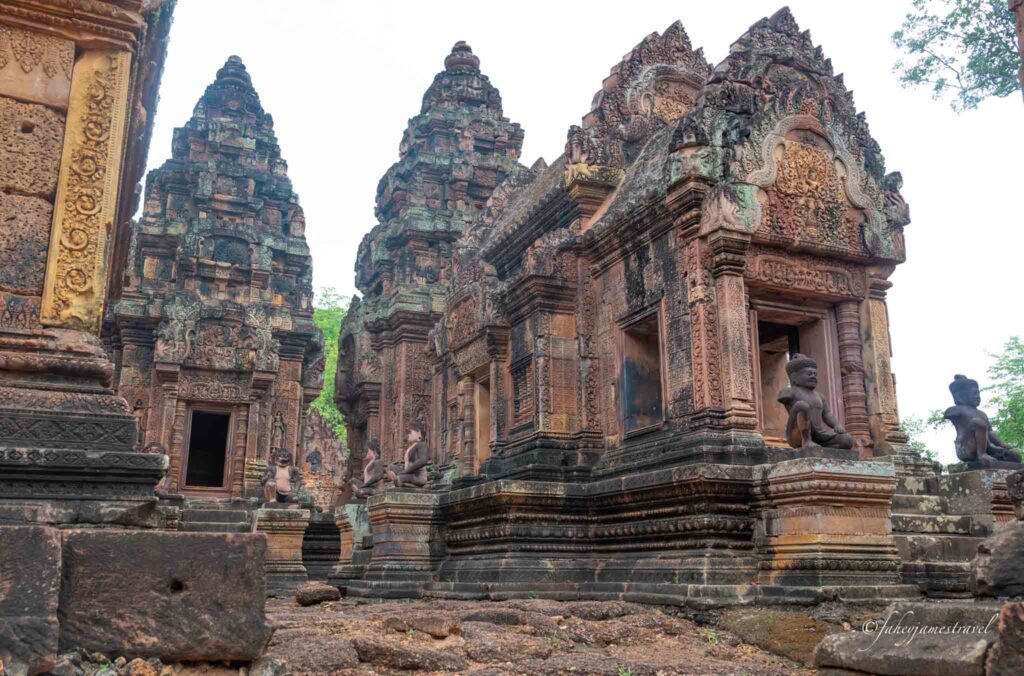
- Cambodia: Bring comfortable trekking shoes for Angkor Wat. Over three days I did more than 30,000 steps and my feet hurt badly. It would have been much worse with poor footwear.
- Laos: Bring a good water bottle for treks to the limestone cliffs in Vang Vieng, or the caves in Luang Prabang.
- Vietnam: I brought a lightweight, waterproof jacket for northern Vietnam. In the rainy season it saved me and my expensive camera gear while I was hiking through the rice terraces.
- Bali/Indonesia: Bring a good swimsuit for snorkel tours with turtles, or scuba diving with sharks.
What NOT To Pack (Save Space And Weight)
It is better to underpack than overpack when travelling to Southeast Asia.
That I can promise you.
There were plenty of items I did not need to bring with me. I was left scratching my head and asking myself, “Was this necessary?”
Below is a list of some items that you DO NOT need to include in your packing list for Southeast Asia.
Mosquito net. Where there is an abundance of mosquitos it is probable that your accommodation will have a net in the room. I brought two nets that were rarely used, if ever. Let me tell you, I felt silly about that. Sure, it’s good to think about health and safety where dengue and malaria are found, but contact your accommodation to ask them before you fill your bag with unnecessary items that are heavy.
Deodorant. Believe it or not, you can find Lynx and other options throughout Southeast Asia. I packed up with 4 canisters before I departed, and I regretted this quickly. You just don’t need to bring 4.
Too much Mosquito repellent. If you’re worried it will be hard to find repellent in Pakse or Don Khon, some of the most rural parts of Laos, it will be a little harder, but totally possible. In major cities it’s easier to find. But in some of the smallest stores, I found them fully stocked. Bring a bottle and buy it once you arrive. If you’re going to rural areas, make sure you have enough to last the duration.
Too many trainers. I am guilty here. I bought 4 pairs of trainers and only wore two of them. One good pair of trainers is enough, you don’t need multiples of the same shoe just in case one wears out.
A headlamp. I used my headlamp once on a night bus in Thailand, and that was it. My phone has a flashlight, and that got me through most of the time. If you plan to spend a lot of time trekking through the jungle at night, then maybe it’s needed.
Repellent plug. I forgot I bought this. You can plug it into the wall at night to keep the mosquitoes away. In theory, it sounds great, but you cannot use it when the air conditioning is turned on, so you will have to try to sleep in 28-degree heat. Total waste of money. That’s about $15.00/€13.00/£11.00 down the drain.
Snorkel. Again, it seemed like a good idea at the time. While I did use it occasionally, you could easily rent one almost anywhere near the beach in my experience. In hindsight, I could have left this at home and rented along the way. Another needless item in the bag.
Why Travel Insurance Is Essential For Southeast Asia
You cannot pack travel insurance, but it is one of the most important pre-trip considerations that you can make.

So many people either forget about it or simply choose not to cover themselves should they be unlucky enough to need it.
When I went to Vietnam I drank a dodgy cocktail in Tam Coc and I was unwell for months. I had big bills to pay in Da Nang and after a number of tests and hospital visits I was worried about paying for all of this.
These amounted to almost 18,145,750 VND ($700.00/€603.40/£517.86), and luckily, I was covered. This is when SafetyWing took all the stress away. In Khao Lak in Thailand I got badly food poisoned and had bills of 6,097 THB ($185.11/€159.60/£137.10) and within hours the money was sent back to me.
After this experience, I will never go without SafetyWing travel insurance again.
Check Out My Article About How Important Travel Insurance Can Be
Are You Packed For Southeast Asia?
After a number of trips (20 months) travelling through Asia, including eight months in Southeast Asia, underpacking beats overpacking every time.
The stuff you do not need matters just as much as the things you do need.
I witnessed travellers lugging massive suitcases whilst others managed perfectly with small backpacks. The good news is that most items are readily available throughout the region, though quality varies.
Expect laundry services to cost $5.00 to $9.00 per load with one to two day turnaround times. I did laundry weekly, and some shorts and underwear eventually ripped from harsh washing methods, but that’s normal for long-term travel. Budget airlines have strict weight limits, and whilst I often thought I’d be over, understanding check-in staff helped me through. Still, travelling lighter saves your back during long days navigating humid heat, crowded streets, and steep stairs.
My biggest lesson? Being prepared with essentials (waterproof jacket, proper footwear, mosquito repellent, first aid kit) saved endless hassle. These aren’t items you want to hunt down in unfamiliar cities. However, if you forget everyday clothing or toiletries, you’ll find replacements easily. I bought t-shirts, socks, and sunglasses locally when mine wore out, though they were cheaper but of lower quality than what I brought from home.
Trust your judgment. This list reflects my experience after eight months in Southeast Asia, but your perfect packing list might look different.
Discover a great eSIM with my SIM Local review and some luggage options to consider before purchasing your next suitcase with my Level8 Luggage review.
Thanks for reading,
James
FAQs
How Do I Prepare My Stomach For Southeast Asia?
Wash your hands thoroughly with soap and hot water right before meals, then use a high alcohol content hand sanitiser for extra protection. Air-dry your hands rather than using paper towels to avoid recontamination. I avoided meat for the first three days on my first trip to let my stomach adjust, then gradually ate everything, including street food, without issues. Probiotics taken between trips help settle your stomach and build resilience. Keep your hands away from your mouth throughout the day. Street food is generally safe when cooked fresh in front of you. Starting cautiously, then expanding your diet, works better than avoiding local food entirely.
What Do You Need To Do Before Travelling To Southeast Asia?
Book a travel clinic appointment at least two months before departure, as vaccines need time to take effect and some require multiple doses. Get Hepatitis A and B, Typhoid, and Japanese Encephalitis vaccines, though your doctor will recommend based on your specific itinerary. Doctors often push optional vaccines, so research thoroughly and discuss what’s essential for your destinations with your GP before deciding. If travelling to areas with active malaria (like rural Laos), ask about anti-malarial medication such as Malarone and take it only in affected regions. Check the CDC website for current health advisories and vaccine recommendations for each country you’ll visit.
Do I Need A Jacket In Southeast Asia?
Pack a lightweight, waterproof, packable jacket (around $20.00 from Decathlon works perfectly) if visiting during wet season months like May, June, July, August, or October in Thailand. This single item protected me and my backpack countless times from sudden tropical downpours, including when hopping out of a minivan at the 4000 Islands in Laos during lashing rain. The jacket doubles as protection for electronics like laptops during travel days. Choose one that’s large enough to cover your daypack when worn. Even outside the wet season, Southeast Asia gets unexpected rain showers and heavily air-conditioned transport, making a packable jacket essential year-round.
- Angkor Wat Sunrise Guide: What I Wish I’d Known Before The 03.30 AM Alarm
- Angkor Botanical Garden: Is Siem Reap’s Free Garden Worth It?
- Tomb Raider Temple (Ta Prohm): My Honest Guide From Angkor
- Things To Do In Cambodia (2027): My Honest Guide After Visiting
- My Two Weeks In Cambodia Itinerary (From Someone Who Spent Nearly A Month There)