
Sapa Homestay Vietnam: My Complete Guide (With Photos & Prices)
My MAGICAL Sapa Homestay Experience
Finding the best homestay in Sapa, Vietnam, completely changed how I experienced the north.
You’re probably wondering which homestays actually deliver on their promises, whether they’re genuinely peaceful spots worth your money, and what there is to do beyond the standard tourist trail. I get it. Before my trip, I spent hours scrolling through generic accommodation sites trying to figure out where to base myself.
Then I spent five days living in Sapa, exploring Ta Van, Lao Chai and Cat Cat villages. The mountains, the terraced rice fields, and the way local families opened their homes. It was simply amazing.
But here’s the moment that sold me on homestays forever.
I was sitting on my balcony one evening, watching the sun drop behind the mountains. The valley was completely silent. Then a paraglider appeared, drifting down through the golden light, and landed right in front of me. No engine noise. No crowds. Just rice terraces stretching out in every direction and this person floating down from the sky like it was the most natural thing in the world. Peak Vietnam.
Whether you’re travelling solo and want to meet other adventurers, you’re a couple after somewhere romantic and authentic, or you’re a family hoping to show your kids a different side of Southeast Asia, Sapa’s homestays offer something hotels simply can’t match.
This guide covers the accommodation options I’d actually recommend, the villages worth visiting, and the practical details (like costs and what to expect) that help you plan properly. No fluff, just what worked based on actually being there. For more on activities in the area, check out my guide on things to do in Sapa, and if you’re weighing up different accommodation types, I’ve written about where to stay in Sapa as well.
Disclosure: Some of the links on this page are affiliate links, which means that if you make a booking through them, I may earn a commission. See my Privacy Policy.
Quick Comparison: Best Sapa Homestays
| Homestay | Price Per Night | Best For | Key Features | Location |
|---|---|---|---|---|
| Sapa May Homestay | From $60.00 | Solo travellers, Couples | Rice terrace views, cooking classes, trekking packages | Mountains |
| Sapa Eco Villas & Spa | From $44.00 | Families, Couples | Infinity pool, spa, air con, restaurant | 10km from town |
| Sapa Farmer House | From $20.00-30.00 | Backpackers, Budget travellers | Farm activities, authentic family life | Village |
| Muong Hoa Valley View | From $35.00-45.00 | Photographers, Nature lovers | Panoramic terrace views, sunrise/sunset | Muong Hoa Valley |
| Mao Sapa Trekking | From $30.00-40.00 | Solo trekkers, Small groups | Local guide hosts, trekking packages | Village |
| La Maison Bungalow | From $80.00-120.00 | Couples, Honeymooners | Boutique interiors, premium bedding, hotel comfort | Mountains |
Book A Similar Experience
I couldn’t recommend booking a 2-day trek in Sapa, including a homestay experience, more highly.

There are so many options, but from my experience, the people, the mountains and the peaceful vibe will be unmatched anywhere you go in Vietnam.
It’s pricier compared to other tours in Vietnam, but trust me, once you see the rivers, local Hmong culture and rice fields up close, you won’t want to leave.
Explore Vietnam In 10 Days With My Detailed Itinerary
How To Get To Sapa
I took the overnight train from Hanoi to Sapa.

It stops in Lào Cai, and you have to take a shared minivan for an hour or so to Sapa, but it worked very well for me.
I also have a post highlighting the different options to get from Hanoi to Sapa, so take a look. You can take a sleeper bus, private taxi or day bus to get there.
Vietnam has excellent transport infrastructure, so you’ll have plenty of ways to reach Sapa.
Read My Sapa In Winter Guide To Help Plan A Trip
What To Expect At Sapa May Homestay
You can expect a great experience at Sapa May Homestay, which is where I stayed on my 2-day trekking tour into Sapa’s amazing villages.

When I arrived at the homestay, I was exhausted.
We’d trekked over 10 kilometres, and it was so hot. When I arrived, I showered (great water pressure) and took a nap on the brand new homestay overlooking the rice terraces. There were maybe eight of them looking out over the landscape.
One highlight was the cooking experience. We got to make spring rolls, and our tour guide, Pa, who was excellent with great English, explained what to do. Later, the chef cooked everything for us, and everyone was happy.
We even got a free shot of local vodka, which was a nice way to finish the meal.
Explore Vietnam In 2 Weeks With My Full Itinerary
My Trekking Tour Experience
I booked a 2-day trekking experience, and it was one of the best things I did in Sapa.

I wasn’t sure if a group tour would be for me after so much solo travel.
Luckily, I came to realise that I missed the atmosphere in the group and loved interacting with people from India, Sri Lanka, Italy and the Philippines on my trip.
Not all the people who started the tour finished the tour because there was a lot of walking a
Read My 5 Day Vietnam Itinerary For More Tips And Info
Day 1
I caught a taxi to the tour office in Sapa town, then walked out into the hilly area near Moana Sapa, one of Sapa’s best viewpoints.

We made our way through mud trails that were genuinely treacherous.
A few hours in, we stopped for a break overlooking the villages below. Cat Cat Village is close by and well worth seeing, but on a different day.
Other options include Sapa Fantasea Homestay, Surelee Homestay, and Sapa Riverside Homestay, but for me, Sapa May Homestay was unbeatable.

Day 1 was more about getting to the homestay and enjoying the nature closest to Sapa town.
Lao Chai village was also beautiful, and it felt like it was untouched by mass tourism (yes, it’s clearly there, but it felt different to Sapa town).

I got to speak to local Hmong women, and I even bought a beautiful indigo pillowcase for 400,000 Vietnamese dong ($16.00) and framed it at home.
Be prepared to be mobbed by these women who will follow you to try to sell.
Sapa May Homestay even arranged for a masseuse to come into a couple of our rooms and gave us a soothing leg massage to help us relax before sleeping after a long day of trekking.
Doesn’t get much better than that!
Discover My 7 Day Vietnam Itinerary To Make A Memorable Trip!
Day 2
We woke up at 7:30 am to the sound of roosters and pure beauty across the mountains.

Breakfast was pancakes and bananas, but as a coeliac, I could only have bananas; there was no gluten-free option for me.
The day 2 trek was only about 5 kilometres in total.
Day 2 was more challenging because energy levels were low from day 1, which was longer. Biggest takeaway: hiking shoes saved me from a terrible time.
During the day, we saw a number of waterfalls, and some local kids were jumping in and loving the whole thing. We trekked up high and low, and our guide sadly showed us where some homes were destroyed the previous year in a landslide, so that can happen.

On the positive side, I felt day two was much easier and shorter.
When we finished, we ended at a restaurant where we could order a basic meal like fried rice.
Lunch was fried rice and pork included in the cost of the trek, but we had to buy our own drinks. Just as we made the steep ascent up the final road of maybe 3 metres, the sky opened, and so much rain fell.
I had the most well-earned egg coffee at White Cloud Coffee when the bus brought us all back to Sapa town.
Explore Love Waterfall, One Of The Best Waterfalls In North Vietnam
Culinary Experience
The culinary experience was fun and educational.

We rolled the mix and rice rolls together with a little water.
When finished, they looked great, and we were starving; we wanted to eat them straight away, but they needed to be cooked first. They were so tasty.
Our companions on the tour were from India, Sri Lanka, Italy, the USA and the Philippines, so a diverse mix made conversation at breakfast and dinner entertaining and fun. This surprised me by how much value it added to the homestay experience.

To see how Vietnamese people prepare food, cook it and eat together was eye-opening and a pleasure for anybody who loves cultural experiences.
Explore Silver Waterfall In Sapa With My Full Guide
Read My Heaven Gate Sapa Guide
Best Homestays In Sapa (Where To Stay)
After trekking through multiple villages and staying at Sapa May Homestay, I researched the best accommodation options across different budgets and preferences.

Here’s what I found.
Read My Comparison Between Thailand Vs Vietnam
Sapa May Homestay (Where I Stayed)
Sapa May Homestay sits in the mountains with views straight over the rice terraces.
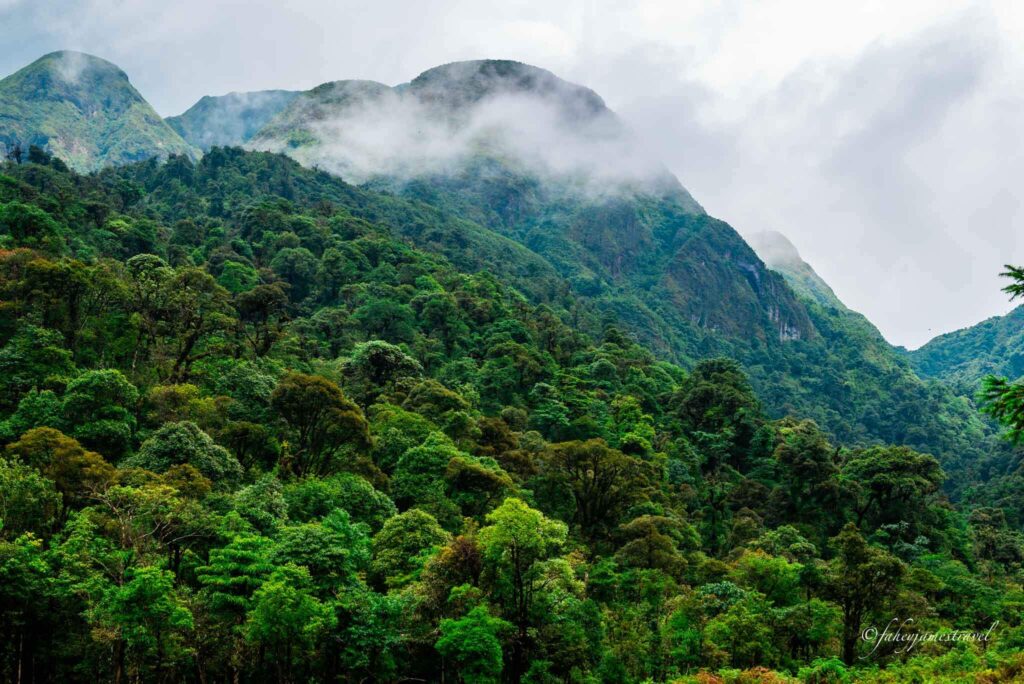
I paid around $60.00 per night for a private room with an ensuite bathroom, though they offer shared rooms in upstairs areas for budget travellers.
The communal dining setup meant eating with 8-10 other guests each night, which added to the experience. WiFi worked well, hot water was reliable, and the beds were surprisingly comfortable for a homestay. The spring roll-making session and leg massage after trekking were highlights.
Best for Solo travellers and couples who want authentic village life without sacrificing comfort. The 2-day trekking package for $69.00 (including one night stay, meals, and guides) offers excellent value.
Find Out How To Use Fansipan Cable Car With My In Depth Guide
Sapa Eco Villas & Spa

Located 10km from Sapa town in a peaceful mountain village, Sapa Eco Villas & Spa offers bungalows with air conditioning, private balconies, wooden floors, and mountain views across Muong Hoa Valley from $44.00 per night.
The property features an infinity pool, sauna, herbal baths, and a restaurant serving Vietnamese, Asian, and Western food. The gardens are filled with bonsai plants and flowers, creating a resort-like atmosphere whilst maintaining that homestay connection to nature.
Best for Families and couples wanting more luxury. The spa facilities and pool make it ideal if you’re looking for comfort after long treks. Book transport through them as it’s further from town.
Sapa Farmer House

A budget-friendly option closer to traditional homestay experiences. Simpler facilities than the options above, but you get genuine interaction with a farming family and can participate in daily activities like harvesting vegetables.
Best for Backpackers and budget travellers who prioritise authenticity over amenities. Prices typically range from $20.00 to $30.00 per night.
Muong Hoa Valley View Farmstay
Book Muong Hoa Valley View Farmstay

Located directly in Muong Hoa Valley with panoramic views of rice terraces. This farmstay offers a middle ground between basic homestays and resort-style properties, with clean rooms and home-cooked meals.
Best for Photographers and nature lovers. The location provides stunning sunrise and sunset views without needing to trek far from your room.
Mao Sapa Trekking and Homestay
Book Mao Sapa Trekking and Homestay

Run by local guides who combine accommodation with trekking packages.
The homestay is basic but comfortable, with the real value coming from your hosts’ knowledge of the best trekking routes and hidden villages.
Best for Solo trekkers and small groups wanting a guide who doubles as your host. Usually around $30.00-40.00 per night, including meals and trekking.
La Maison House Bungalow Luxury
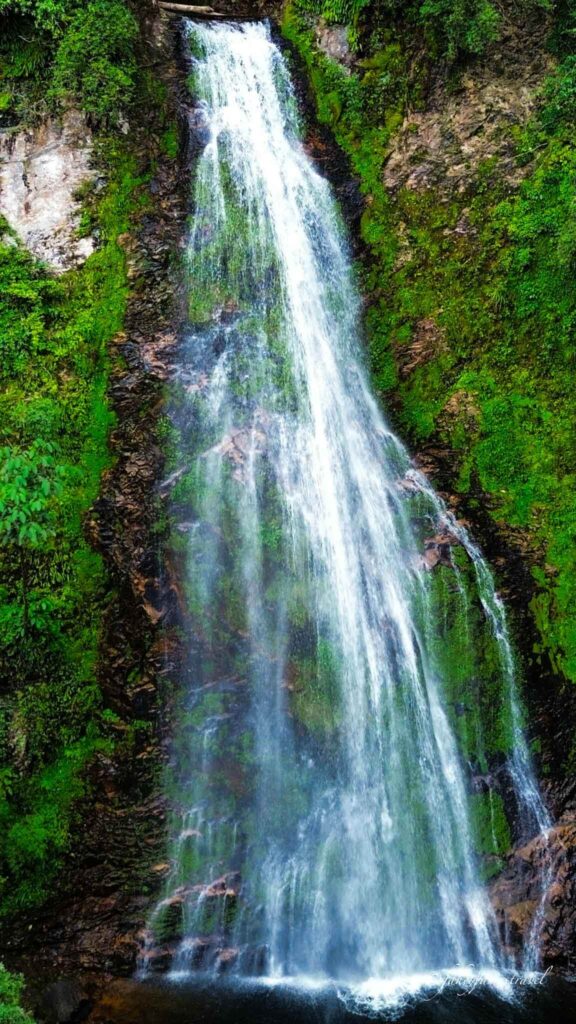
At the higher end of Sapa homestays, offering boutique-style bungalows with premium bedding, stylish interiors, and excellent service.
Still maintains the homestay feel with local hosts and home-cooked meals, but with hotel-level comfort.
Best for Couples and honeymooners wanting luxury without losing the authentic homestay experience. Expect to pay $80.00-120.00 per night.
Don’t go abroad without comprehensive travel insurance. I have used and trust Safety Wing.
Conclusion
Sapa exceeded every expectation I had.
I thought I knew what to expect from a homestay in northern Vietnam, but the quality, cleanliness and comfort completely surprised me. These weren’t rustic budget options, they were well-built spaces with proper beds, hot showers and those ridiculous mountain views that made every early morning wake-up worth it.
Don’t try to cram everything into a short trip. Sapa is huge, with countless villages and valleys that deserve more than a quick tick off your list. The more time you give it, the more it gives back.
Gear-wise, my Decathlon hiking boots were essential on those muddy, slippery treks through the rice terraces. Paired with a light waterproof jacket, I stayed dry even when the weather turned. Check my full Southeast Asia packing list for everything else that kept me comfortable.
Travel insurance proved its worth when I got sick in Tam Coc. I use Safety Wing, submitted my paperwork, and got reimbursed the next day without any hassle. It’s one of those things you hope not to need but are grateful to have.
For real-time tips and connecting with other travellers heading to Vietnam, join the Vietnam Travel for English Speakers Facebook group. It helped me sort logistics before I arrived.
Sapa’s homestays deliver something hotels can’t replicate. Book one, give yourself enough days, and let the mountains do the rest.
Any questions? Just drop me a message.
Thanks for reading,
James
FAQs
How Many Days In Sapa Is Enough?
I spent five days in Sapa and could easily have stayed eight to ten. Three days cover the highlights like Cat Cat Village, Ta Van, Lao Chai and Sapa town centre. If you want to go deeper, add O Quy Ho Pass, Fansipan, and extra nights in different villages to properly soak it up. I booked a 2-day trek for $69.00, which included one night at Sapa May Homestay, dinner, and guided walks through the valleys. The trek got muddy and challenging when wet, but making spring rolls together as a group and waking up to mountain views made it worthwhile. More time means less rushing and more authentic village experiences. Five days gives you a good taste, but eight to ten days lets you explore properly.
Is Sapa In Vietnam Worth Visiting?
Absolutely, but come prepared for muddy treks and limited transport options. I paid for a 2-day trekking package including homestay accommodation, dinner, and guides through Ta Van and Lao Chai villages. The beds and showers were comfortable, the views from my balcony were stunning, and cooking spring rolls with other travellers added something special. Grab bikes don’t operate here, so you’ll need to wave down motorbike taxis (cheaper and faster than cars). Early mornings are best for trekking and exploring villages before crowds arrive. Evenings get busy in Sapa town centre, so plan accordingly. The authenticity, landscapes and homestay experiences make Sapa worth the logistical challenges.
What Is A Homestay In Vietnam?
A homestay in Vietnam is a family-run accommodation where you stay in a local home, usually in rural or mountainous areas like Sapa. I stayed at Sapa May Homestay in a private room with an ensuite bathroom for around $60.00 per night. They also offered shared rooms in upstairs areas, though the private bungalows gave more space and comfort. Meals were served communally with eight to ten other guests, with loads of food cooked by the hosts and eaten together at big tables. The hosts were helpful but quiet, letting guests interact naturally. Amenities included WiFi, hot water, a shared kitchen and clean toilets. Unlike hotels, homestays focus on authentic experiences, home-cooked meals and connecting with other travellers in a relaxed village setting.
- Things To Do In Cambodia (2026): My Honest Guide After Visiting
- My Two Weeks In Cambodia Itinerary (From Someone Who Spent Nearly A Month There)
- How To Visit Angkor Wat In 2026
- Best Restaurants In Siem Reap: Where To Eat And What To Order
- Where To Stay In Siem Reap In 2026 (Neighbourhoods And Hotels)


